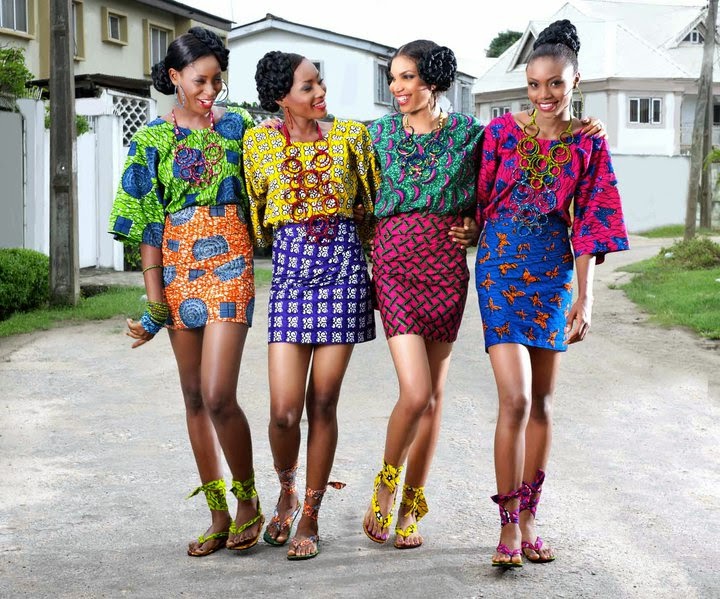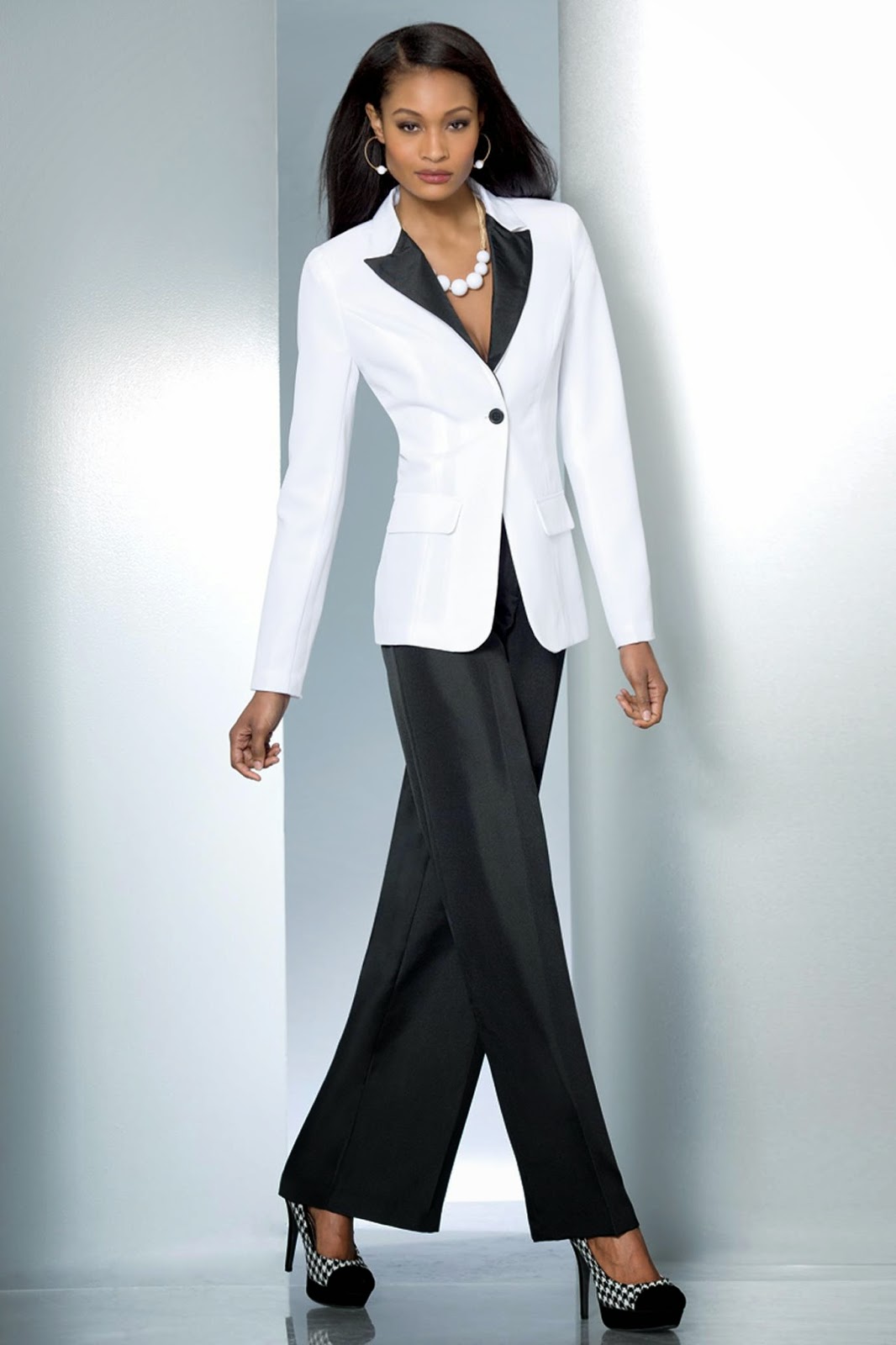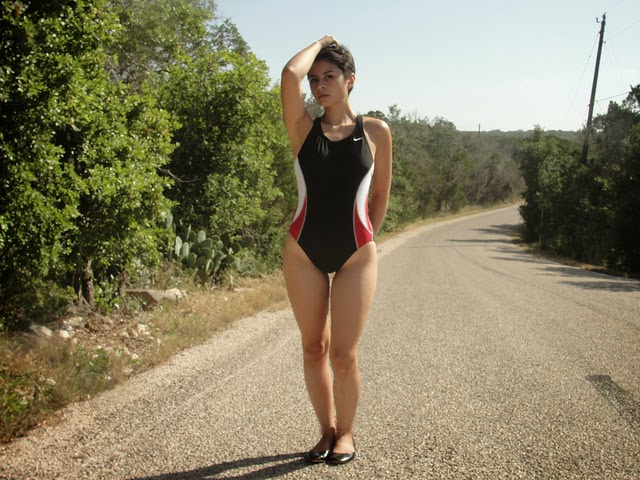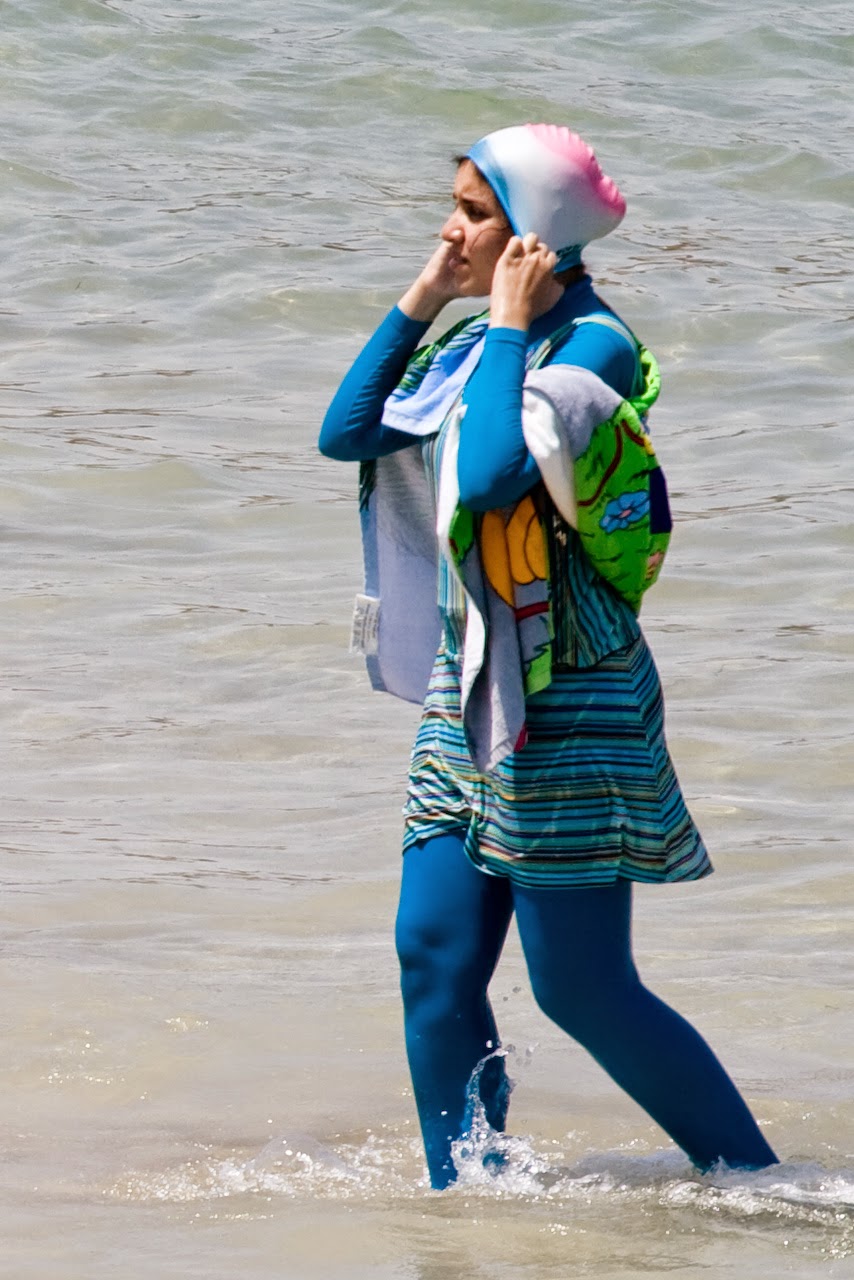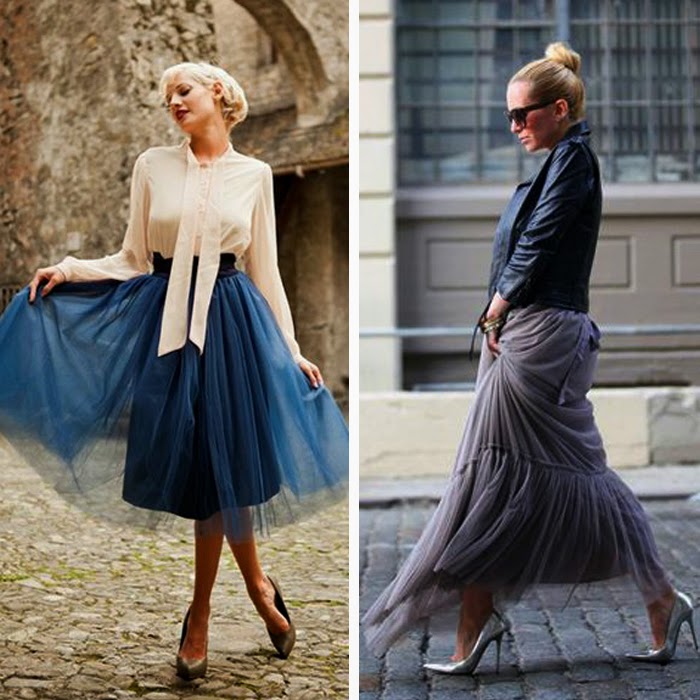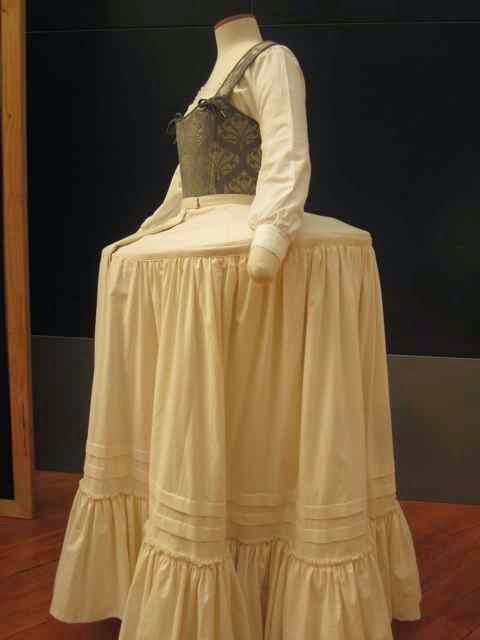

Showing posts with label Classification. Show all posts

Flak Jacket (22)

3/22/2015 1 Comment

Flak jacket

A flak jacket or flak vest is a form of body armor designed to provide protection from case fragments ("frag") from high explosive weaponry, such as anti-aircraft artillery ("flak" a German contraction for Flugzeugabwehrkanone), grenades, some round shot used in shotguns and land mines and other lower-velocity projectiles. It is not designed to protect against bullets fired from small-arms such as rifles or handguns. However, certain flak jackets are able to sustain certain gunshots, dependent on the armor, the gun, and the distance that the bullet has travelled.
The term "flak jacket" is often colloquially applied to newer body armor featuring protection against small arms projectiles, but the original usage predated the existence of functional bulletproof vests and the two are not interchangeable in performance.


History


Anecdotes describing garments designed to protect the wearer from penetrating weapons can be found far back into recorded history. Two types of protective garment from the American Civil War in the 1860s had a basic design similar to the flak jacket or ballistic armor of modern times in that solid plates were used as the main ballistic protection. The "Soldiers' Bullet Proof Vest" was manufactured by the G. & D. Cook & Company of New Haven, Connecticut. It consisted of two pieces of steel inserted into the pockets of a regular black military vest. Versions for infantry weighed 3 ½ pounds while a version for cavalry and artillery weighed 7 pounds. They sold for $5-$7. A more medieval-looking type of armor was made by the Atwater Armor Company, also of New Haven. It consisted of four large plates of steel held on the body by broad metal hooks over the shoulders and a belt around the waist. The Atwater vest was heavier than the Cook models and cost about twice as much.


During World War I, a number of British and American officers recognized that many casualties could be avoided if effective armor were available. Isolated efforts at developing armor were made, and soldiers could make individual purchases or efforts, but there was no armor issued to the troops. As it is today, issues of weight, cost, availability of materials and/or environmental stability complicated the issue of developing armor that would also be effective. For example, soft armor made of silk was tried on a small scale based on Japanese designs, but this material did not last well under the harsh environmental conditions.

The first usage of the term “flak jacket” refers to the armour originally developed by the Wilkinson Sword company during World War II to help protect Royal Air Force (RAF) aircrew from the flying debris and shrapnel thrown by German anti-aircraft guns' high-explosive shells (flak itself is an abbreviation for the German word "Fliegerabwehrkanone" (anti-aircraft gun)). The idea for the flak jacket came from Col. Malcolm C. Grow, Surgeon of the US Eighth Air Force in Britain. He thought that many wounds he was treating could have been prevented by some kind of light armor. In 1943 he was awarded the Legion of Merit for developing the flak vest.
Unfortunately, flak jackets proved to be too bulky for wear within the confines of the RAF's standard bomber aircraft, the Avro Lancaster. The Royal Air Force subsequently offered the jackets to the United States Army Air Forces, which adopted them as a Defense Standard. The UK subsequently supplied the USAAF with 9,600 flak jackets under reverse lend-lease.
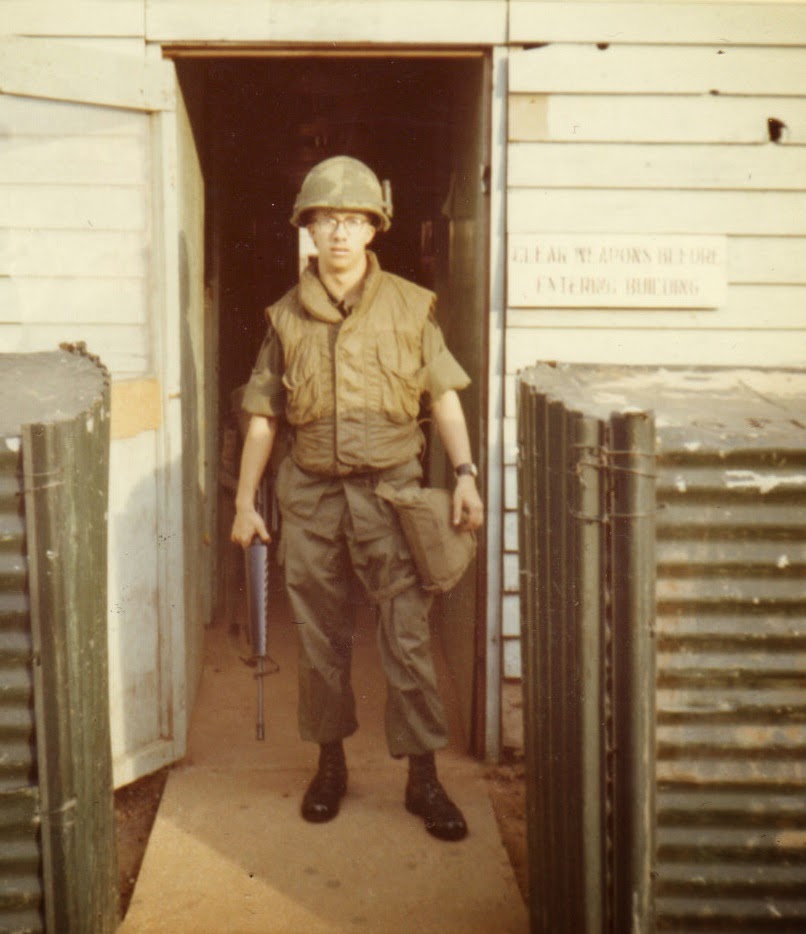
Vietnam War 

During World War II, flak jackets and steel helmets were worn by US Navy personnel on aircraft carriers during battle, since the ships and especially their flight decks offered little protection for their crew. The jackets were supposed to protect against shrapnel and heat.


Ballistic protection


Col. Grow’s request to the Wilkinson Sword company was to develop a vest that could stop a .45 caliber round fired at close range. Although flak jackets offered some basic protection against small caliber bullets and shell fragments (which was obviously welcomed by their users), ultimately they proved to be less effective than hoped. Flak jackets are now generally considered to be inferior to body armor.

It was claimed that the M-1951 field jacket could stop a 90 grain 7.62×25mm Tokarev pistol round at the muzzle of the gun. However, even the Vietnam era revised flak jacket was not really designed to stop an AK-47 round (a 7.62×39mm) fired at close range. Nevertheless, it did a good job of stopping shell blasts, rocket fragments, and slower bullets fired at a moderate range.

It was not until 1970 that the U.S. National Institute of Justice, which now publishes test and performance standards for body armor, began a deliberate program to develop body armor for law enforcement personnel that would be effective against specific threats that were common causes of officer injury and death. At the time that included .38 Special and .22 Long Rifle bullets, in particular, and also bullets from 9 mm, .45, and .32 caliber firearms.


Materials


The first flak jackets consisted of manganese steel plates sewn into a waistcoat made of ballistic nylon (a material engineered by the DuPont company); therefore, flak jackets functioned as an evolved form of plate armour or brigandine. The first flak jacket weighed 22 pounds.

During the Korean and Vietnam wars, the flak jacket was changed and the manganese steel plates were replaced by other materials. The U.S. Army's vests (Body Armor, Fragmentation Protective, Vest M69) weighed under eight pounds and were made of several layers of ballistic nylon. The vests used by the U.S. Marines (Vest, Armored M-1955) weighed more than ten pounds and were a combination of ballistic nylon layers and fiberglass plates known as Doron. Doron was made of the fiberglass fibers in an ethyl cellulose resin under high pressure. It was named after then Col. Georges F. Doriot, then director of the Military Planning Division, Office of the Quartermaster General.

The generation of armor developed in the 1970s through the National Institute of Justice incorporated layers of soft armor in the form of DuPont’s Kevlar fabric, which has since become synonymous with ballistic protection and a general term used for several similar (aramid-based) materials.

Thawb Gown(26)

9/12/2014 Add Comment

Thawb


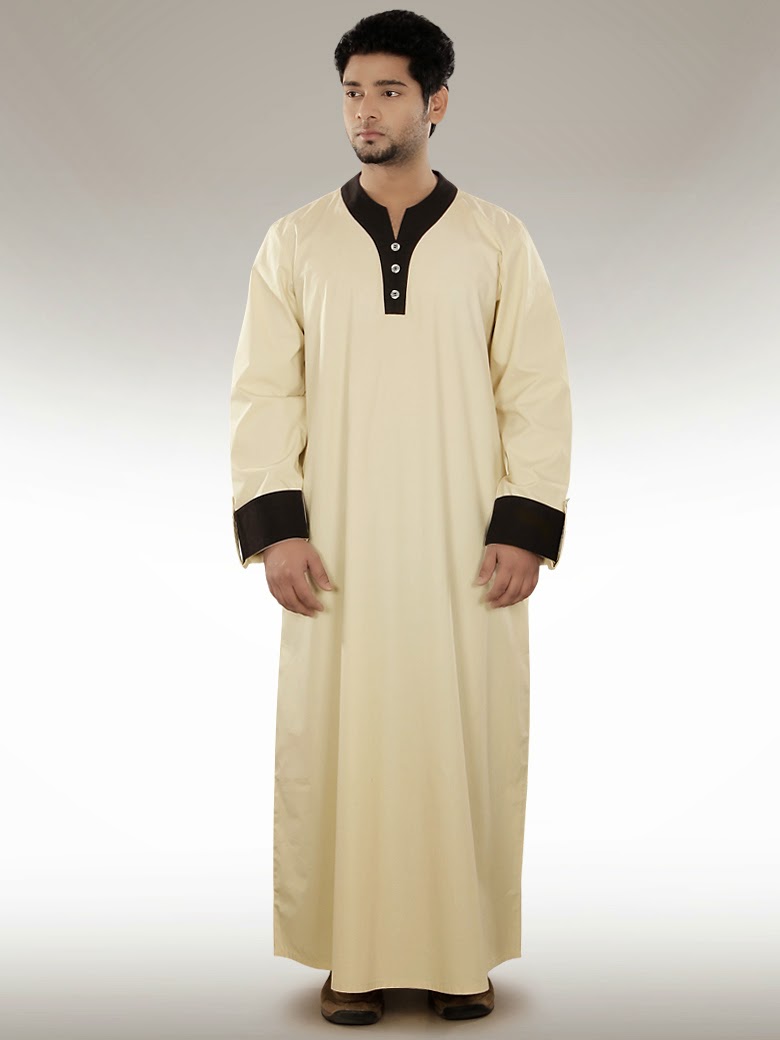
A thawb or thobe  is an ankle-length garment, usually with long sleeves, similar to a robe. It is commonly worn in Iraq and Arab countries bordering the Persian Gulf. An izaar is typically donned underneath.
The word thawb is the standard Arabic word for 'a garment'. It is the traditional Arabian clothing for men. It is sometimes spelled thobe or thaub. It is a tunic, generally long. The word is used specifically for this garment in the Persian Gulf region. There has been some debate regarding the correct length of the thawb.


Prevalence

The thawb is commonly worn by men in the Arabian Peninsula, Iraq, and other Arab countries in the Persian Gulf. It is normally made of cotton, but heavier materials such as sheep's wool can also be used, especially in colder climates in Iraq and Syria. The style of the thawb varies slightly among the various regions within the Persian Gulf. The sleeves and the collar can be stiffened to give a more formal appearance. Other names may be used for this garment. In Souraqia and Oman, dishdasha is the most common word for the garment; in the UAE, the word kandura is used. In Morocco, the sleeves tend to be much shorter so that the thawb may seem more like a long T-shirt and is locally called gandora. Also the neck tends to be more open than in its Saudi counterpart and is often embroidered as is the breast pocket. Also it might lack buttons altogether.

The term thawb is also used to refer to similar women's garments. The traditional Palestinian woman's long tunic is called thawb. Another example is a very long, over-sized woman's garment with a heavily embroidered front panel and billowing back, also known as a Khaleeji dress, which is most commonly seen in the West worn for performance of the Saudi women's social-style dances, in which manipulation of the large thawb is a key component.

This garment is also known as Kanzu in Swahili, and is commonly worn on the Swahili Coast by Swahili men.


Other occasions

A thawb or thaub can sometimes be worn with what is known as "besht" or in other parts of the Arabian Peninsula abat "عباة" which means a robe. It is usually worn in ceremonial occasions or by officials; a "besht", "بشت" can be worn in a wedding, Eid, and funerals. It may refer to a status of wealth and royalty, or sometimes a religious position. It was originally manufactured in Syria, Iraq and Jordan, and it is usually worn in Jordan, Syria, Iraq and the Arabian peninsula.


Babydoll Gown(3)

8/26/2014 Add Comment

Babydoll


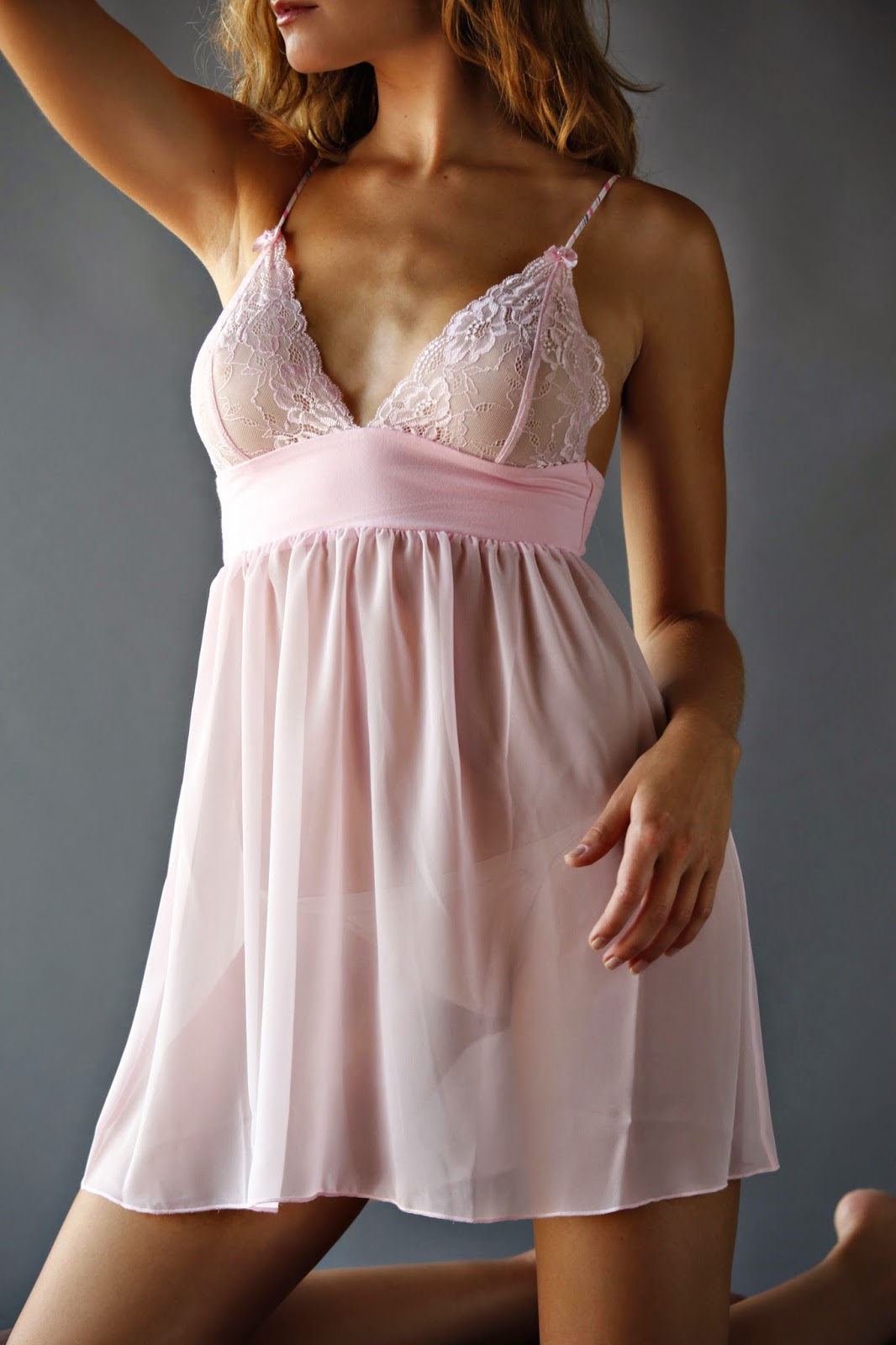
A babydoll is a short, sometimes sleeveless, loose-fitting nightgown or negligee intended as nightwear for women. It sometimes has formed cups called a bralette for cleavage with an attached, loose-fitting skirt falling in length usually between the upper thigh and the belly button. The garment is often trimmed with lace, ruffles, appliques, marabou fur, bows, and ribbons, optionally with spaghetti straps. Sometimes it is made of sheer or translucent fabric like nylon or chiffon or silk.

History

The name was popularized by the 1956 movie Baby Doll starring Carroll Baker in the title role as a 19-year-old nymphet, which essentially marked the beginning of the enduring popularity of the style for adults.

Babydolls became a prominent part of the "kinderwhore" look during the early-to-mid-1990s due to the popularity of riot Grrrl and grunge performers like Courtney Love and Kat Bjelland.

Contemporary style

It is now a highly eroticized item of adult apparel, often classified as a form of lingerie. Adult babydolls are quite different from the infant babydolls; they fully expose the woman's legs, and some styles emphasize or deliberately expose the breasts as well. The gown is often sold as a set with matching panties, as a typical babydoll is short enough that underwear is visible if worn. Styles of the same general length but not intended to emphasize sex appeal are sometimes called shortie nightgowns.

Babydolls are now available in a sufficiently wide variety of styles that many lingerie retailers consider babydolls a distinct department. Modern babydolls often vary considerably from the styles of the 1960s and 1970s. Babydoll negligees from the 1950s to the early 1980s are now collectible vintage items. Some babydolls open in front and resemble a robe or peignoir.

Short daywear dresses of a similar style are sometimes called babydoll dresses; the name is sometimes two words, baby doll, and sometimes hyphenated, baby-doll. Some styles are similar to what is worn by dolls in the form of infants, and by some infants; the gown is short enough that diapers are easily changed. However, there may be an alternative origin for the style, if one considers the lineage of lace-trimmed shortie bedjackets and bed-capes of the 1930s and 1940s.

Babydolls are now becoming popular as bridal lingerie as they prove to be a more affordable alternative to a bridal corset and the buyer usually has a greater choice of designs and colours.


How to Wear a Babydoll Dress

Often, babydoll dresses are marketed to the under-forty age group because of its youthful cut. However, because of the ability of the babydoll dress to hide figure flaws with its forgiving silhouette, designers do use darker shades and heavier fabrics to appeal to older women as well. There are several ways to wear a babydoll dress to create a unique, fun outfit.


  • Leggings: Pair the dress with long leggings to create a more mature appearance. Leggings under the dress can detract from the too-young look of the babydoll dress.
  • Longer Length: Leave the shorter babydoll dresses to children. As an adult, choose one that just skims the knee for a more suitable style.
  • Footwear: Pairing the babydoll dress with high heels creates a sweet, stylish, and sexy outfit that is perfect for a dinner party or date night. Pairing the babydoll dress with leggings and high boots can create a casual, comfortable look or a sophisticated style, depending on the fabric.
  • Jeans: Wear skinny jeans with a babydoll dress and create a casual outfit that is relaxed but still feminine.
  • Accessories: Choose accessories to compliment the babydoll dress. Thick, chunky jewelry or thin, delicate pieces can be added to accessorize any desired style. And, for reasonable prices, scarves can also be paired with both muted and bold colors to achieve a variety of looks.
  • Babydoll dresses can be fun to wear and look good on almost any figure.


Attire 
  • Boyish Shape

Baby doll dresses help those with a boyish shape by creating the illusion of more fullness and curves. Since a baby doll dress is flowing, it can create an appearance that you are heavier than you truly are. For the best appearance, pair it with a belt worn high up on the waist to define your waist.

  • Full-Figured Women

Full-figured women can also look great in a baby doll dress as it hides imperfections and fuller areas of the body that one might be self-conscious about. Busty women are able to wear baby doll dresses without being inappropriate. Also, several baby doll dresses are made with built-in cups or support to better accentuate a woman's curves.

  • Long Legs

Baby doll dresses are known for being shorter in length. Therefore, they work well with women with long legs. The short length shows off long legs, but those with shorter legs can still wear them well when paired with high heels or platforms.


Yukata Dress (78)

8/22/2014 Add Comment

Yukata

A yukata  is a Japanese garment, a casual summer kimono usually made of cotton or synthetic fabric, and unlined. Yukata are worn by both men and women. Like other forms of traditional Japanese clothing, yukata are made with straight seams and wide sleeves. Men's yukata are distinguished by the shorter sleeve extension of approximately 10cm from the armpit seam, compared to the longer 20cm sleeve extension in women's yukata. A standard yukata ensemble consists of a cotton undergarment (juban), yukata, obi, bare feet, sandals (geta), a foldable or fixed hand fan, and a carry bag (kinchaku). Kinchaku are used by both men and women to carry cellphones, sunglasses, wallets and tissue. For men, an optional hat or derby may also be worn to protect the head from the sun. Yukata literally means bath(ing) clothes, although their use is not limited to after-bath wear. Yukata are a common sight in Japan during the hot summer months.

Men and Women Yukata

Traditionally yukata were mostly made of indigo-dyed cotton but today a wide variety of colors and designs are available. As with kimono, the general rule with yukata is that younger people wear bright, vivid colors and bold patterns, while older people wear dark, matured colors and dull patterns. A child may wear a multicolored print and a young woman may wear a floral print, while an older woman would confine herself to a traditional dark blue with geometric patterns. Men in general may wear solid dark colors. Since the late 1990s, yukata have experienced a revival.

Yukata are worn at outdoor summer events such as hanabi (fireworks) displays and bon-odori festivals. Yukata are also worn at Japanese inns ryokan after bathing.


Customs

The left side of the yukata is wrapped over the right side (commonly reversed with right over left when dressing a body for a funeral) and secured with an obi sash tied in a bow with the excess or with the koshi-himo and traditionally the bow is placed in the back. Traditionally bows in the front represented a prostitute. In private, such as after a bath, the yukata may be simply belted. Yukata are often worn with wooden sandals called geta, but tabi are not usually worn.


Wrapper (clothing) Dress(77)

8/22/2014 Add Comment

Wrapper (clothing)


The wrapper or pagne is a colorful women's garment widely worn in West Africa. It has formal and informal versions and varies from simple draped clothing to fully tailored ensembles. The formality of the wrapper depends on the fabric used to create it.

West African kaftan/boubou

In West Africa, a kaftan or caftan is a pull-over woman's robe. In French, this robe is called a boubou, pronounced boo-boo. The boubou is the traditional female attire in many West African countries including Senegal, Mali, and Ghana. The boubou can be formal or informal attire. The formality of the kaftan depends upon the fabric used to create it.


Nigerian iro

In Nigeria (also in West Africa) the wrapper is most common, called an iro in the Yoruba language, pronounced EE-roe. The wrapper is usually worn with a matching headscarf or head tie that is called a gele in Yoruba, pronounced gae-lae. A full wrapper ensemble consists of three garments. First, a blouse, called a buba, pronounced boo-bah. Second, a wrap skirt called a wrapper in English or an iro in Yoruba. Third, a headscarf which is called a head tie in English and a gele in Yoruba. Traditional male attire is called a dashiki. A wrapper takes metres of quality fabric. White wrapper sets are worn during wedding ceremonies.

Pagne

Pagne designates a certain cut (two by six yards) and type (single-sided "Fancy" or double-sided "wax" prints) of untailored cotton textile, especially in Francophone West and Central Africa. Enormously popular in much of tropical Africa, the pagne cloth's usage and patterns may be used to by convey by the wearer a number of social, economic—and sometimes even political—messages. It is similar—though distinct in size, expected pattern, and usage—to the Khanga, Kikoy or Chitenge of East and Southern Africa. From the pagne any number of garments may be created (the boubou, dresses, or western style suits) or it can be used untailored as a wrap, headtie, skirt, or tied as a sling for children or goods. The word pagne, likely derived from the Latin pannum, was a term introduced by merchants from the 16th Century and adopted by several African societies to identify often pre-existing textiles or garments distinct from a simple cloth. The Portuguese pano for cloth has become the French pagne (loincloth), Dutch paan, and others. It appears to have originally referred to East Asian textiles traded in East and West Africa, before becoming a term for a certain length (a yard, later two by six yards) of commercial printed cloth sold in coastal West Africa.


In the West

The wrapper gained popularity in the West following the black pride movement of the 1960s. It is enjoying a resurgence thanks to African immigration, and the formal wrapper is frequently worn at weddings, graduations and other special occasions.

In the UK and North America, a wrapper is also an older term for an informal house garment. Today, words such as housecoat and bathrobe (US) or dressing gown (UK) are usually employed instead.

Informal fabrics USed

  • Batik—created with hot wax and dye.
  • Fancy print—created by printing patterns on cloth. Unlike expensive wax prints, the design is printed on one side of the cotton fabric. Fancy prints are made in Europe, India, and West Africa. The most popular fancy print is known as the traditional print.
  • Kente—traditionally woven by men. Kente is an informal fabric for anyone who is not a member of the Akan people. For Akans and many Ewes, kente is a formal cloth.
  • Mudcloth—created by making mud drawings on cotton.
  • Tie-dye—made by resist tying cotton then dipping in dye. In Nigeria, tie-dye is known as adire cloth.


Formal fabrics

  • Aso Oke fabric—Woven by men, see Yoruba people.
  • Cotton brocade—most brocade is produced in Guinea. Brocade is a shiny and polished cotton fabric.
  • George cloth—George cloth originated in India, where it was used to make saris. The fabric became popular among African royal and noble families. The Ijaw people  are known for their George wrappers.
  • Lace—also known as shain-shain aso oke or air conditioner aso oke.
  • Linen—linen kaftans are a formal style.
  • Satin—satin fabrics are suitable for formal wear.
  • African waxprints—traditional cloths in Africa. Most of them are printed in West Africa and China. Some African waxprints are made in the Netherlands, known as Dutch wax. In earlier times there were also productions in England. In a waxprint, the pattern or design is printed on both sides of the cotton fabric. Waxprints are more expensive than fancy prints. Famous manufacturers are Vlisco in the Netherlands, Akosombo Textiles Limited in Ghana and Hitarget in China. There still exist some smaller companies, which produce genuine African waxprints. A well known brand is ABC Wax from Manchester, England. Today ABC Wax is part of Akosombo Textiles Limited and printed in Ghana. There exist many companies in Africa and China, which use the waxprint design for similar looking and much cheaper fancy textiles.


Wedding attire

The kaftan is always worn with a headscarf or head tie. During a wedding ceremony, the bride's kaftan is the same color as the groom's dashiki. The traditional color for West African weddings is white.[14] The most popular non-traditional color is purple or lavender, the color of African royalty. Blue, the color of love, is also a common non-traditional color. Most women wear black kaftans to funerals. However, in some parts of Ghana and the United States, some women wear black-and-white prints, or black and red. The kaftan is the most popular attire for women of African descent throughout the African diaspora. African and African-American women wear a wide variety of dresses, and skirt sets made out of formal fabrics as formal wear. However, the kaftan and wrapper are the two traditional choices. It is not uncommon for a woman to wear a white wedding dress when the groom wears African attire. In the United States, African-American women wear the boubou for special occasions. The kaftan or boubou is worn at weddings; funerals; graduations; and Kwanzaa celebrations.

The men's robe is also called a boubou, see Senegalese kaftan for further information.

Buba

A buba (pronounced boo-bah) is a woman's blouse. Buba is a Yoruba word that means blouse. The buba can be worn informally with pants or a fancy print wrapper. When worn as formal wear, the buba is paired with a skirt or wrapper made of formal fabrics. The informal dashiki, or men's shirt, is unisex and is also worn by women.[where?] The dashiki and buba differ in that the dashiki is boxy and baggy with a straight bottom, whereas, the buba is fitted with a curved bottom, or baggy with a V shaped bottom. Like the dashiki, the buba comes in long, and short sleeve versions. The buba and skirt set or buba and wrapper set is the national costume of many West African countries.


Unisex Dress (74)

8/18/2014 Add Comment

Unisex Dress


Unisex clothing are clothing styles which may be worn by both men and women. For example, shirts and pants can be worn by both men and women. True unisex clothing tends to be looser in fit to overcome physiological differences between the genders.

The term "unisex" was first used in the 1960s to describe a style of clothing that could be worn by both genders.


History

Historically, various cultures have had unisex clothing. Although trousers for women had been growing in popularity for some decades, the sudden and overwhelming trend of young people wearing jeans, regardless of gender probably contributed more to the evolution of a unisex style than the women's movement or the sexual revolution. There can be little doubt that all these elements had their part to play in the introduction of this new mode of dress. Short lived though it was as a fashion trend, the influence of the unisex style continues to make its influence felt in current fashion. The term may have fallen out of use but with males now beginning to break down barriers by wearing what once would have been considered female attire, unisex may be set to make even bigger impact than it did in the 1960s.

Contemporary wear

Today, a common mode of unisex clothing may be a costume made up of shirt, pants or both as these articles are considered appropriate for either gender in western society. Both men and women wear shirt and pants on regular basis in the western world and it has become quite a fashion favourite despite feminine style clothing maintaining a secure place in female fashion.


02- Belts

5/13/2014 Add Comment

Belt (clothing)


A belt is a flexible band or strap, typically made of leather or heavy cloth, and worn around the waist. A belt supports trousers or other articles of clothing.

History

Belts have been documented for male clothing since the Bronze Age. Both genders used them off and on, depending on the current fashion. In the western world, belts were more common for men, with the exception of the early Middle Ages, late 17th century Mantua, and skirt/blouse combinations between 1900 and 1910. Art Nouveau belt buckles are now collector's items.

In the period of the latter-half of the 19th century and up until the first World War, the belt was a decorative as well as utilitarian part of the uniform, particularly among officers. In the armed forces of Prussia, Tsarist Russia, and other Eastern European nations, it was common for officers to wear extremely tight, wide belts around the waist, on the outside of the uniform, both to support a saber as well as for aesthetic reasons. These tightly cinched belts served to draw in the waist and give the wearer a trim physique, emphasizing wide shoulders and a pouting chest. Often the belt served only to emphasize waist made small by a corset worn under the uniform, a practice which was common especially during the Crimean Wars and was often noted by soldiers from the Western front. Political cartoonists of the day often portrayed the tight waist-cinching of soldiers to comedic effect, and some cartoons survive showing officers being corseted by their inferiors, a practice which surely was uncomfortable but deemed to be necessary and imposing.

In modern times, men started wearing belts in the 1920s, as trouser waists fell to a lower line. Before the 1920s, belts served mostly a decorative purpose, and were associated with the military. Moreover, prior to that trousers did not even have belt loops. In sports, trousers with belt loops were present in the 19th century already.Today it is common for men to wear a belt with their trousers.

Since the mid-1990s, the practice of sagging, which has roots tracing to prison gangs and the prohibition of belts in prison (due to their use as weapons and devices for suicide), has been practiced at times among young men and boys.

Different Varients are,

  1. Baldric
  2. Bandolier
  3. Brez 
  4. Police duty belt
  5. Garter (stockings)
  6. Gartel
  7. Money belt
  8. Sam Browne belt
  9. Shoulder belt (military)
  10. Suspenders
  11. Webbed belt
  12. Zoster (costume)
Click the Variants to read more 
etc.


Classification of Under wear

5/08/2014 Add Comment

Classification of Under wear 

1. Bloomers (clothing)
Booty pop
2. Bodysuit
bloomers
3. Boothose
4. Booty Pop
5. Boxer briefs
6. Boxer shorts
7. Braies
8. Brassiere
9. Breast binding
10. Briefs
11. Cache-sexe
12. Camisole
13. Chastity belt
14. Chemise cagoule
15. Cilice
16. Cloth diaper
17. Codpiece
18. Compression garment
19. Cycling shorts
20. Dance belt
CACHE-SEXE
21. Diaper
22. Farthingale
23. Fatsuit
24. Footwraps
25. Fundoshi
26. Hoop skirt
27. Jockstrap
28. Kacchera
29. Kaupinam
30. Kirtle
31. Knickerbockers (clothing)
32. Langota
33. Leotard
34. Loincloth
35. Long underwear
36. Namba (clothing)
37. Pannier (clothing)
     
kacchera
38. Pantalettes
39. Pelvic protector
40. Plastic pants
True Scotsman
41. Rubber pants
42. Tanga (clothing)
43. Temple garment
44. The Underwear Expert
45. Thong (clothing)
46. Tights
47. True Scotsman
48. Tube top
49. Underpants
50. Undershirt
51. Union suit
52. Vest

Classification of Trouser and Shorts

5/08/2014 Add Comment

Trouser and Shorts Types 

Bermuda Shorts
  1. Trousers and shorts
        
    Oxford Bags
  2. Oxford bags
  3. Baji (clothing)
  4. Bell-bottoms
  5. Bermuda shorts
  6. Blood stripe
  7. Boardshorts
  8. Bondage pants
  9. Boxer shorts
  10. Boyshorts
  11. Braccae
  12. Breeches
  13. Breeching (boys)
  14. Breeks
  15. Capri pants
  16. Cargo pants
    Women BoyShorts
  17. Chang kben
  18. Chap boot
  19. Chaps
  20. Chino cloth
  21. Churidar
  22. Codpiece
  23. Compression garment
  24. Culottes
  25. Cycling shorts
  26. Daisy Dukes
  27. Disco pants
  28. Dolphin shorts
  29. Gaiters
  30. Girl boxers
  31. Hammer pants
  32. Harem pants
  33. Hip-huggers
  34. Hockey pants
  35. Jams
  36. Jean shorts
    Dolphin shorts
  37. Jeans
  38. Jinbei
  39. Jodhpurs
  40. Knickerbockers (clothing)
  41. Leather shorts
  42. Lederhosen
  43. Low-rise jeans
  44. Nantucket Reds
  45. Open-crotch pants
  46. Overall
  47. Palazzo trousers
  48. Parachute pants
  49. Pedal pushers
  50. Pencil suit
  51. Pettipants
  52. Phat pants
  53. Plus fours
  54. Rain pants
  55. Rugby shorts
  56. Running shorts
  57. Sagging (fashion)
        
    Tempo Running Shorts
  58. Sampot
  59. Sansabelt
  60. Shalwar kameez
  61. Sharovary
  62. Sirwal
  63. Skort
  64. Slim Jeans
  65. Slim-fit pants
  66. Snowboarding pants
  67. Sta-Prest
  68. Stirrup pants
  69. Sweatpants
  70. Tactical pants
  71. Tap pants
    Stirrup Pant
  72. Thai fisherman pants
  73. Three quarter pants
  74. Tobi trousers
  75. Trunks (clothing)
  76. Turkish trousers
  77. Walk shorts
  78. Yoga pants
  79. Jeans

Classification of Tops

5/07/2014 Add Comment

Classification of Tops

    Baja Jacket
    Chemise
    Corsage (bodice)
    1. Baja Jacket
    2. Barong Tagalog
    3. Bodice
    4. Bowling shirt
    5. Buff (clothing)
    6. Camisole
    7. Camp shirt
    8. Canezou
    9. Cardigan (sweater)
    10. Chemise
    11. Chemisette
    12. Choli
    13. Corsage (bodice)
    14. Crew neck
    15. Cutsew
    16. Crop top
    17. Dashiki
    18. Dickey (garment)
    19. Garibaldi shirt
    20. Ghanaian smock
    21. Gilet
    22. Guayabera
    23. Halterneck
    24. Henley shirt
      Hoodie
    25. Hoodie
    26. Ihram clothing
    27. Isiagu
    28. Jersey (clothing)
    29. Kurta
    30. Leotard
    31. Nightshirt
    32. Poet shirt
    33. Polo shirt
    34. Safari jacket
    35. Shalwar kameez
    36. Sleeveless shirt
    37. Suea pat
    38. Tube top
    39. Zephyr (garment)
      Tube Top

Classification of Suits

5/01/2014 Add Comment

Suits Sub Categories 

a suit is a set of garments made from the same cloth, usually consisting of at least a jacket and trousers. Lounge suits (also known as business suits when sober in colour and style), which originated in Britain as country wear,[1] are the most common style of Western suit. Other types of suit still worn today are the dinner suit, part of black tie, which arose as a lounging alternative to dress coats in much the same way as the day lounge suit came to replace frock coats and morning coats; and, rarely worn today, the morning suit. This article discusses the lounge suit (including business suits), elements of informal dress code.


Dobok
1. Suit (clothing)
2. Brunswick (clothing)
3. Buckskins
4. Buster Brown suit
5. Coat (clothing)
6. Dobok
7. Double-breasted
8. Drape suit
9. Ethiopian suit
10. Jinbei
11. Jodhpuri
12. Kariba suit
13. Le Smoking
14. Leisure suit
15. Pajamas
16. Pantsuit
17. Pencil suit
18. Riding habit
19. Safari jacket
Wet Suit
20. Sailor suit
21. Santa suit
22. Scrubs (clothing)
23. Shalwar kameez
24. Single-breasted
25. Skeleton suit
26. Slim Jeans
27. Tracksuit
28. Tuxedo
29. Wetsuit
30. Zoot suit


Pant Suit
Safari Jacket


Classification of Sports Clothing

5/01/2014 Add Comment

Sports Clothing - Categories 


Sportswear or active wear is clothing, including footwear, worn for sport or physical exercise. Sport-specific clothing is worn for most sports and physical exercise, for practical, comfort or safety reasons.

Typical sport-specific garments include shorts, tracksuits, T-shirts, tennis shirts and polo shirts. Specialized garments include wet suits (for swimming, diving or surfing) and salopettes (for skiing) and leotards (for gymnastics). Sports footwear include trainers. It also includes some underwear, such as the jockstrap and sports bra. Sportswear is also at times worn as casual fashion clothing.

For most sports the athletes wear a combination of different items of clothing, e.g. sport shoes, pants and shirts. In some sports, protective gear may need to be worn, such as helmets or American football body armour.

Balaclava (clothing)

1. Cycling jerseys

     1. Giro d'Italia
     2. Driekleur trikot
     3. Maglia nera
     4. Rainbow jersey

2. Hiking apparel

     1. Balaclava (clothing)
     2. Hiking apparel
     3. Rain pants
     4. Raincoat

3. Swimsuits
Swim Suites

1. Bikinis‎
     1. Aquapel
     2. Arena X-Glide
     3. Bathing dress
     4. Boardshorts (Surf Trunks)
     5. Burqini
     6. Chained (swimsuit line)
     7. G-string
     8. Loincloth
     9. LZR Racer
    10. Maillot
    11. Monokini
   12. One-piece swimsuit
   13. Rash guard
   14. Sling swimsuit
Burqini
   15. Sukumizu
   16. Swim briefs
   17. Tanga (clothing)
   18. Tankini
   19. Thongs
   20. Trunks (clothing)
   21. Veilkini

2. Competitive swimwear

1. Bodyskin
2. Briefs
3. Drag suit
4. Kneeskin
5. Jammer
6. Legskin
7. Racerback
8. Square cut
Bikini

Classification of Skirts

5/01/2014 Add Comment

Skirts  Sub categories 

A skirt is a tube- or cone-shaped garment that hangs from the waist and covers all or part of the legs

1. A-line
2. Ballerina skirt
Ballerina skirt
3. Ballet tutu
4. Bouffant gown
5. Brunswick (clothing)
6. Capulana
7. Chang kben
8. Chima (clothing)
9. Crinoline
10. Culottes
11. Denim skirt
12. Dhoti
13. Dirndl
14. Farthingale
15. Fustanella
16. Grass skirt
17. Hakama
18. Handkerchief skirt
19. High-low skirt
20. Hobble skirt
21. Hoop skirt
22. Job skirt
Farthingale
23. Kanga (African garment)
24. Kiekie (clothing)
25. Kikoi
26. Kitenge
27. Krama
28. Lap-lap
29. Lava-lava
30. Leather skirt
31. Loincloth
32. Longyi
33. Lungi
34. Malong
35. Men's skirts
36. Microskirt
37. Miniskirt
38. Mundu
39. Overskirt
40. Pangi (Maroon)
41. Pareo
42. Pencil skirt
Petticoat breeches
43. Petticoat
44. Petticoat breeches
45. Poodle skirt
46. Prairie skirt
47. Rah-rah skirt
48. Sampot
49. Sampot Samloy
50. Sarong
51. Shendyt
52. Sinh (clothing)
53. Skort
54. Sulu (skirt)
55. T-skirt
56. Ta'ovala
57. Train (clothing)
58. Tupenu
59. The Utilikilts Company
60. Wrap (clothing)