
Showing posts with label Regional. Show all posts
Top 10 Fashion Trends for Women in 2016

Top 10 Fashion Trends for Women in 2016

6/26/2016 Add Comment

Fashion today is not meant for just celebrities and runway models. Media has exposed common people to the world of fashion. They have exposed people to the ever-changing fashion trends, getting updated in every season. Women from every walk of emulate the designs by top-notch designers. We have picked  the Top 10 Fashion Trends for Women to Adopt in 2016.

1. Shirt-dresses

One of the trending styles to pick from the spring/summer collection this year is the shirt-dress. Long shirt, which hit the stands a few years ago, has already become a classic. But, this season, designers have reimagined the shirt-dress with a variety of quirks and cuts. Drop waists, double high slits, button-downs, asymmetric hemlines, mandarin-collar: be ready to embark upon an adventure, and experiment with any look to match your personality as you play with this fashion trends for women.

2. Kimono-style Trench Coats
This stylish mix of a modern robe, a traditional kimono and a proper coat has been a surprisingly fashionable and well-accepted trend since the last summer. A fancier, single-coloured version of last year’s waist-length flowery frocks totally worth bringing down from the runways that it is ruling this. They are slouchy, roomy and lightweight. Though thrown in with these summer trench coats, just for the sake of it, belts, especially a medium-size obi belt, with a knot in the side, can complete the look.

3. Culottes
Culottes are tricky, especially with the length. Falling somewhere between a bootcut and a full-on flare, have evolved from last-season’s raw denim, double-tone or embroidered variants to the almost-trousers with wide legs this pre-fall season, and the length is hemmed just between the upper ankle and lower calf. Apart from the ankle-grazing length, a higher, more notorious length is also going hot, and it will look best teamed with tall leather boots, considerably taming the style.

4. Long Vests
Long vests, which the designers have been playing around with for some seasons now, are perfect for the pre-fall season, particularly because pre-fall is the season for outerwear that you have been so excited about. An alternative for the 70’s jackets and blazers, long vests have a slimming effect on the body, especially when left unbuttoned. They can be worn in the late summer September on their own, showing off the bare arms, with sweater when it gets colder, or even used for a layered look.

5. Sporty Look
Add the cool quotient to winter with the athletic trend, an old-school approach to styling that is making a comeback in the moderate temperatures this autumn/winter season. The classic touches like the go-faster stripes, tennis skirt, gym shorts, plimsolls or leather leggings can really jazz up the look in a fresh, splashy kind of way. The sporty design can provide a nice fit, offering great body shape. Racer backs are in, but polo neck is one of major fashion trends for women for the year.

6. Cape

The trench coat is so last year! This winter, beat the harsh winter cold with the all new fashion trends for women, i.e. the cape. It closely resembles a poncho, and is flexible enough to beat all the other forms of winter dressing. It can be worn with either sides up or down, and will still go well with any other winter piece, from above-the-knee boots to the pyjama style. These are best when the neutral colours are chosen. The poncho itself offers a layered appearance. Do not miss this winter trend.

7. Gypset
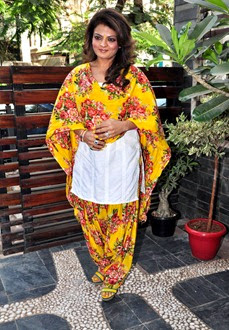
Gypsy-inspired looks meets the glamorous jet set styling, and you have gypset, characterized by bold patterns, orientalism and opulence of bohemianism. It is one of the biggest fashion trend for women this year, and is totally wearable. It is a fun and enjoyable cruise line, beginning in the ‘70s. Spice up your regular work and evening wardrobe with a dash of colour and exoticism. Layered tunics with Aladdin pants, oriental-inspired accessories and bold floral patterns, will jazz up the look.

8. A-Line Shapes
A-line has been ruling the fashion world for some time now, and it is definitely on the rise, especially for the resort season. It looks best when sported with a touch of the 70s for a bit of a twist. A playful mix of masculine jackets with modernized floral prints or colourful zigzags, cropped cuts, and high-waisted flared fits or straight-leg trousers worn with trainers, can leave no doubt. A-line jumpsuits, and dresses, or skirts with embroidery, paired with shirts or knits, are feminine, and so 2016!

9. Trucker Jackets
If you are looking to add something to your wardrobe that you can reach in for, any time of the year, the trucker jacket is a must-have this year. The denim jackets are great when there is an onset of a slight nip in the air, and are just as great when worn under a layer, creating a fashion statement. Opt for any: just team it with slim jeans or khakis, wear it unbuttoned on a loose tee, or like a shirt. The choice is yours. This jacket is super-versatile, and an absolute essential to complete the wardrobe.

10. Saree: with a twist
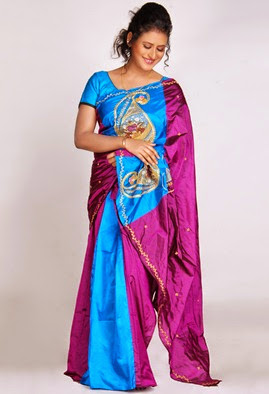
The ethnic Indian wear is not just for the Indians anymore. Wear your saree with a modern twist, and drape it like a gown. Show off those curves in the styles that are rocking the ramp, or bring back the old modern style of Mumtaz. Still not enough? Throw in a blazer, a crop top, a tube, or anything that catches your fancy, in place of the boring old blouse, and add a whole new, quirky dimension to the traditional 9 yards. Add a belt. Make an absolute fusion to own the saree-clad look this year.

Original Article source : http://www.wonderslist.com/10-fashion-trends-for-women/

Jinbei - Jacket

6/19/2016 Add Comment

A jinbei, alternately jinbe or hippari, is a kind of traditional Japanese clothing worn by men, women, boys, girls, and even babies during the summer. Women's jinbei have started to become popular in recent years.021-Jinbei_Set

Use

Jinbei are usually worn as a form of nightwear or house wear. Normally, male Japanese would wear jinbei only within their own homes, or outside the home when in close proximity to it (for example, to collect the mail or go on a local errand, or sometimes even while shopping or dining at a local restaurant). Sometimes jinbei are used as substitute for yukata during a summer festival, typically by men and boys but also frequently by young women. Ladies' jinbei tend to be more brightly coloured and often feature prints of popular culture characters and motifs.

Set

Jinbei sets consist of a top and matching shorts, although some have long pants and some come with both short and long pants. Traditional jinbei are made from hemp or cotton and are dyed a uniform color, often indigo, blue, or green (though modern jinbei frequently have prints ranging 022-Jinbei_Set -side seamsfrom simple textures or lines to complicated and colorful floral patterns). The top resembles a short-sleeved or sleeveless jacket that falls to the hips. It ties closed both inside and outside the jacket, with the inside tied first, the jacket folded over to the person's left, and then tying the outside.

The seam for jinbei is very loosely woven to allow for ventilation during hot weather while retaining coverage.

Negligee Gown(17)

9/10/2014 Add Comment

Negligee


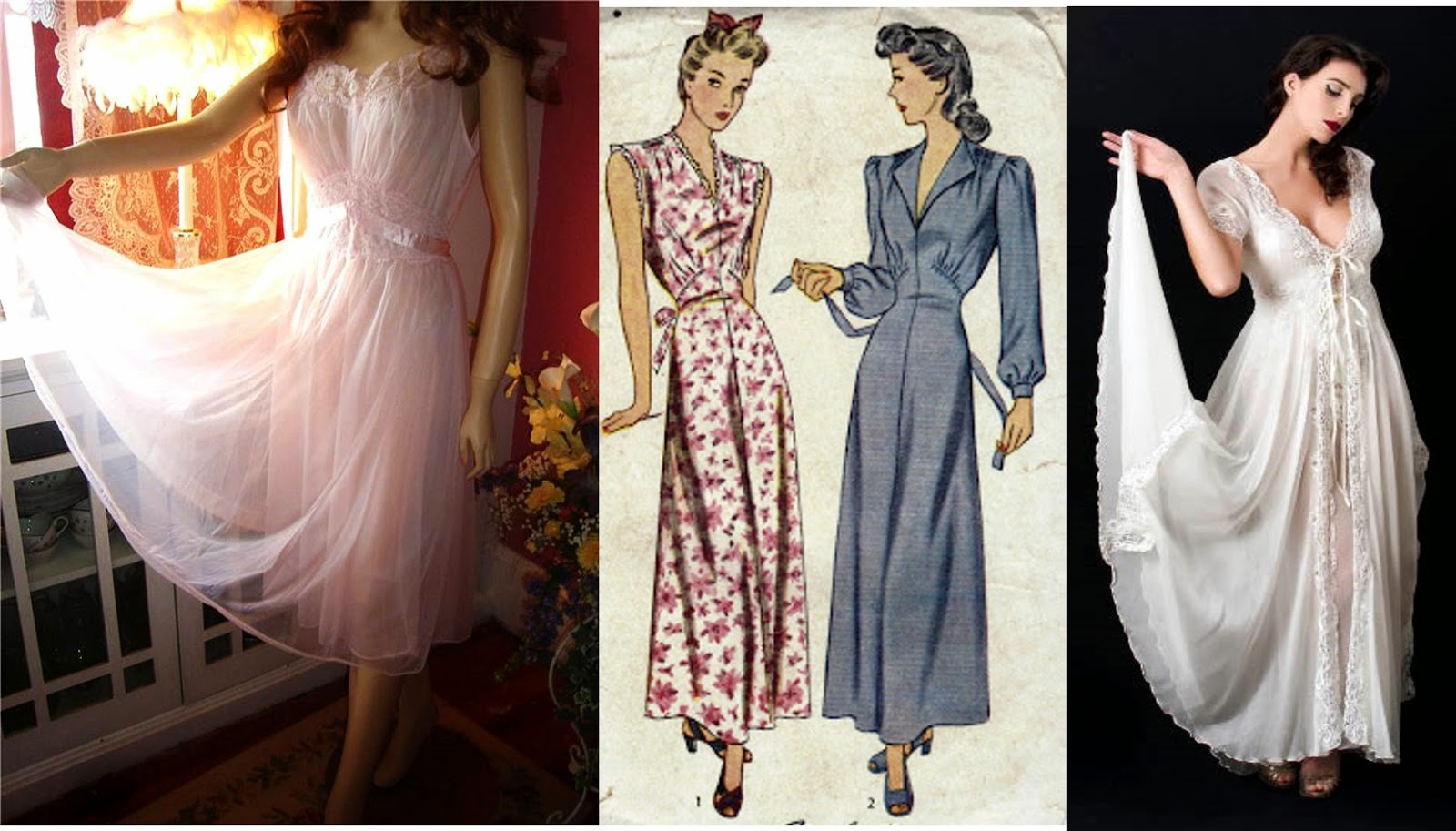
The negligee or négligée, from the French: négligée, literally meaning "neglected", is a form of women's clothing consisting of a sheer usually long dressing gown. It is a form of nightgown intended for wear at night and in the bedroom. It was introduced in France in the 18th-century, where it mimicked the heavy head-to-toe style of women's day dresses of the time.


By the 1920s it began to mimic women's satin single-layer evening dress of the period. The term "negligee" was used of a Royal Doulton run of ceramic figurines in 1927, showing women wearing what appears to be a one-piece knee-length silk or rayon slip, trimmed with lace. Although the evening-dresses style of nightwear made moves towards the modern negligee style—translucent bodices, lace trimming, bows, exemplified in 1941 by a photo of Rita Hayworth in Life—it was only after World War II that nightwear changed from being primarily utilitarian to being primarily sensual or even erotic; the negligee emerged strongly as a form of lingerie.

Modern negligees are often much looser and made of sheer and semi-translucent fabrics and trimmed with lace or other fine material, and bows. Multiple layers of fabric are often used. The modern negligee thus perhaps owes more to women's fine bedjackets or bed-capes, and up-market slips than to the nightgown. It spread to a mass market, benefitting from the introduction of cheap synthetic fabrics such as nylon and its finer successors. From the 1940s to the 1970s, the trend was for negligees to become shorter in length (e.g. the babydoll of the 1970s). Negligees made from the 1940s to the 1970s are now collectible vintage items.

In the UK in 2004, negligees accounted for only four percent of women's nightwear sales, women's pyjamas having dominated since the mid-1980s. However, UK negligee sales are said to have been the fastest increasing sector of the market since 1998


Kappogi Gown(14)

9/10/2014 Add Comment

Kappogi

A kappogi, literally cooking wear, is a type of gown-like apron, originating in Japan. First designed to protect kimono from food stains, it has baggy sleeves terminating just after the elbow, and is as long as the wearer's knees. Its strips of cloth are tied at the back of neck and waist. It is particularly used when cooking and cleaning.

The kappogi was introduced at Japan's first culinary academy, Akahori Kappo School, in 1904 when most people wore kimono on a daily basis.

A kappogi is a Japanese style apron, which is particularly made to be worn over kimono. The sleeves of a kappogi are baggy, in order to cover and protect kimono’s hanging sleeves. Torso area also has extra room so that it doesn’t crush intricately tied sash on the back. 

When many Japanese women switched to western style clothes from kimono, kappogi became outdated. But for a long time a kappogi was strongly associated with the image of mother in Japanese psyche. Because it has a wider coverage than an apron, some people wear it for gardening or other activities that might soil the clothes otherwise. 

It has baggy sleeves terminating just after the elbow, and is as long as the wearer's knees. Its strings are tied around the shoulders, like a bib.


Yukata Dress (78)

8/22/2014 Add Comment

Yukata

A yukata  is a Japanese garment, a casual summer kimono usually made of cotton or synthetic fabric, and unlined. Yukata are worn by both men and women. Like other forms of traditional Japanese clothing, yukata are made with straight seams and wide sleeves. Men's yukata are distinguished by the shorter sleeve extension of approximately 10cm from the armpit seam, compared to the longer 20cm sleeve extension in women's yukata. A standard yukata ensemble consists of a cotton undergarment (juban), yukata, obi, bare feet, sandals (geta), a foldable or fixed hand fan, and a carry bag (kinchaku). Kinchaku are used by both men and women to carry cellphones, sunglasses, wallets and tissue. For men, an optional hat or derby may also be worn to protect the head from the sun. Yukata literally means bath(ing) clothes, although their use is not limited to after-bath wear. Yukata are a common sight in Japan during the hot summer months.

Men and Women Yukata

Traditionally yukata were mostly made of indigo-dyed cotton but today a wide variety of colors and designs are available. As with kimono, the general rule with yukata is that younger people wear bright, vivid colors and bold patterns, while older people wear dark, matured colors and dull patterns. A child may wear a multicolored print and a young woman may wear a floral print, while an older woman would confine herself to a traditional dark blue with geometric patterns. Men in general may wear solid dark colors. Since the late 1990s, yukata have experienced a revival.

Yukata are worn at outdoor summer events such as hanabi (fireworks) displays and bon-odori festivals. Yukata are also worn at Japanese inns ryokan after bathing.


Customs

The left side of the yukata is wrapped over the right side (commonly reversed with right over left when dressing a body for a funeral) and secured with an obi sash tied in a bow with the excess or with the koshi-himo and traditionally the bow is placed in the back. Traditionally bows in the front represented a prostitute. In private, such as after a bath, the yukata may be simply belted. Yukata are often worn with wooden sandals called geta, but tabi are not usually worn.


Shweshwe Dress(64)

8/11/2014 Add Comment

Shweshwe


Shweshwe  is a printed dyed cotton fabric widely used for traditional South African clothing. Originally dyed indigo, the fabric is manufactured in a variety of colours and printing designs characterised by intricate geometric patterns. Due to its timeless popularity, shweshwe has been described as the denim,or tartan, of South Africa

Shweshwe is traditionally used to make dresses, skirts, aprons and wraparound clothing. Shweshwe clothing is traditionally worn by newly married Xhosa women, known as makoti, and married Sotho women.Xhosa women have also incorporated the fabric into their traditional ochre-coloured blanket clothing.Aside from traditional wear, shweshwe is used in contemporary South African fashion design for women and men from all ethnic groups,  as well as for making accessories and upholstery. It is also used in the United States as a quilting fabric.

Production

Shweshwe is manufactured with an acid discharge and roller printing technique on pure cotton calico. It is printed in widths of 90 cm, in all-over patterns and A-shaped skirt panels printed side by side. The fabric is manufactured in various colours including the original indigo, chocolate brown and red, in a large variety of designs including florals, stripes, and diamond, square and circular geometric patterns. The intricate designs are made using picotage, a pinning fabric printing technique rarely used by contemporary fabric manufacturers due to its complexity and expense, although the design effects have been replicated using modern fabric printing techniques. 


Sari Dress(61)

7/31/2014 Add Comment

Sari

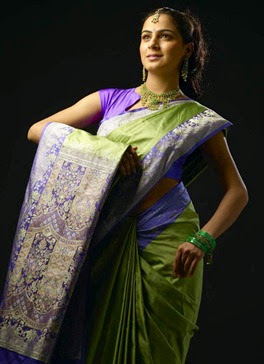
A sari or shari is a South Asian female garment that consists of a drape varying from five to nine yards in length.  and two to four feet in breadth that is typically wrapped around the waist, with one end draped over the shoulder, baring the midriff.
Weaving

The sari is usually worn over a petticoat (called lahaṅgā or lehenga in the north; pavadai in Tamil, pavada (or occasionally langa) in both Kannada and Telugu, chaniyo, parkar, ghaghra, or ghagaro in the west; and shaya in eastern India), with a fitted upper garment commonly called a blouse (ravika in the south and choli elsewhere]]). The blouse has short sleeves and is usually cropped at the midriff. The sari is associated with grace and is widely regarded as a symbol of Indian, Bangladeshi and Sri Lankan culture.

Etymology

The word sari is derived from Sanskrit शाटी (sati) which means 'strip of cloth and शाडी śāḍī or साडी sāḍī in Prakrit, and which was corrupted to sāṛī in Hindi. The word 'Sattika' is mentioned as describing women's attire in ancient India in Buddhist Jain literature called Jatakas This could be equivalent to modern day 'Sari'The term for female bodice, the choli is derived from another ruling clan from ancient Tamil Nadu, the Cholas  Rajatarangini (meaning the 'river of kings'), a tenth-century literary work by Kalhana, states that the Choli from the Deccan was introduced under the royal order in Kashmir.The concept of Pallava, the end piece in the sari, originated during the Pallavas period and named after the Pallavas, another ruling clan of Ancient Tamilakam. 

Origins and history

In the history of Indian clothing the sari is traced back to the Indus Valley Civilisation, which flourished during 2800–1800 BC around the western part of the Indian subcontinent. The earliest known depiction of the sari in the Indian subcontinent is the statue of an Indus Valley priest wearing a drape.

Ancient Tamil poetry, such as the Silappadhikaram and the Sanskrit work, Kadambari by Banabhatta, describes women in exquisite drapery or sari. The ancient stone inscription from Gangaikonda Cholapuram in old Tamil scripts has a reference to hand weaving. In ancient Indian tradition and the Natya Shastra (an ancient Indian treatise describing ancient dance and costumes), the navel of the Supreme Being is considered to be the source of life and 

creativity, hence the midriff is to be left bare by the sari.

Sculptures from the Gandhara, Mathura and Gupta schools (1st–6th century AD) show goddesses and dancers wearing what appears to be a dhoti wrap, in the "fishtail" version which covers the legs loosely and then flows into a long, decorative drape in front of the legs. No bodices are shown.

Other sources say that everyday costume consisted of a dhoti or lungi (sarong), combined with a breast band called 'Kurpasika' or 'Stanapatta' and occasionally a wrap called 'Uttariya' that could at times be used to cover the upper body or head.The two-piece Kerala mundum neryathum (mundu, a dhoti or sarong, neryath, a shawl, in Malayalam) is a survival of ancient Indian clothing styles. The one-piece sari is a modern innovation, created by combining the two pieces of the mundum neryathum.

It is generally accepted that wrapped sari-like garments for lower body and sometimes shawls or scarf like garment called 'uttariya' for upper body, have been worn by Indian women for a long time, and that they have been worn in their current form for hundreds of years. In ancient couture the lower garment was called 'nivi' or 'nivi bandha', while the upper body was mostly left bare. The works of Kalidasa mentions 'Kurpasika' a form of tight fitting breast band that simply covered the breasts. It was also sometimes referred to as 'Uttarasanga' or 'Stanapatta.

In ancient India, although women wore saris that bared the midriff, the Dharmasastra writers stated that women should be dressed such that the navel would never become visible. By which for some time the navel exposure became a taboo and the navel was concealed.

Red wedding saris are the traditional garment choice for brides in Indian culture. Sari fabric is also traditionally silk. Over time, colour options and fabric choices for Indian brides have expanded. Today fabrics like crepe, Georgette, charmeuse, and satin are used, and colors have been expanded to include gold, pink, orange, maroon, brown, and yellow as well.  Indian brides in Western countries often wear the sari at the wedding ceremony and change into traditional Indian wear afterwards (lehnga, choli, etc.).


Styles of draping

There are more than 80 recorded ways to wear a sari. Fashion designer Shaina NC declared,"I can drape a sari in 54 different styles".

The most common style is for the sari to be wrapped around the waist, with the loose end of the drape to be worn over the shoulder, baring the midriff. However, the sari can be draped in several different styles, though some styles do require a sari of a particular length or form. The French cultural anthropologist and sari researcher Chantal Boulanger categorised sari drapes in the following families.

  1. Nivi styles originally worn in Andhra Pradesh; besides the modern nivi, there is also the kaccha nivi, where the pleats are passed through the legs and tucked into the waist at the back. This allows free movement while covering the legs.
  2. Bengali and Oriya style
  3. Gujarati/Rajasthani – after tucking in the pleats similar to the nivi style, the loose end is taken from the back, draped across the right shoulder, and pulled across to be secured in the back
  4. Maharashtrian/Konkani/Kashta - this drape is very similar to that of the male Maharashtrian dhoti. The center of the sari (held lengthwise) is placed at the center back, the ends are brought forward and tied securely, then the two ends are wrapped around the legs. When worn as a sari, an extra-long cloth of nine yards is used and the ends are then passed up over the shoulders and the upper body. They are primarily worn by Brahmin women of Maharashtra, Karnataka, Andhra Pradesh and Goa.
  5. Madisar this drape is typical of Iyengar/Iyer Brahmin ladies from Tamil Nadu. Traditional Madisar is weared using 9 yards saree
  6. Kodagu style – this drape is confined to ladies hailing from the Kodagu district of Karnataka. In this style, the pleats are created in the rear, instead of the front. The loose end of the sari is draped back-to-front over the right shoulder, and is pinned to the rest of the sari.
  7. Gobbe Seere – This style is worn by women in the Malnad or Sahyadri and central region of Karnataka. It is worn with 18 molas saree with three four rounds at the waist and a knot after crisscrossing over shoulders.
  8. Gond – sari styles found in many parts of Central India. The cloth is first draped over the left shoulder, then arranged to cover the body.
  9. Malayali style – the two-piece sari, or Mundum Neryathum, worn in Kerala. Usually made of unbleached cotton and decorated with gold or coloured stripes and/or borders. Also the Set-saree, a sort of mundum neryathum.
  10. Tribal styles – often secured by tying them firmly across the chest, covering the breasts.
  11. Kunbi style or Denthli - Goan Gauda and Kunbis,and those of them who have migrated to other states use this way of draping Sari or Kappad,this form of draping is created by tying a knot in the fabric below the shoulder and a strip of cloth which crossed the left shoulder was fasten on the back


Navajo dolls Clothing -Dress(54)

7/03/2014 Add Comment

Navajo dolls Clothing

Navajo Dolls describe a style of clothing that Navajo women copied from east coast American society in the 1860s. Women of that era wore full dresses made out of satin. President Lincoln's wife and friends wore full dresses made of satin. Navajo women copied the patterns but substituted velvet for the satin and made buttons out of nickels and dimes. These stylish skirts are still fashionable today, for Navajos and non-Navajos alike.


Traditional Navajo dresses and skirts are typically made of velvet or cotton. Skirts can be multi tiered representing the phases of a woman’s life; infancy, adulthood and her elder years. Blouses are usually long sleeved with decorative turquoise and silver buttons.

The Navajo woman's traditional style of dress consists usually of foot or knee-high moccasins, a pleated velvet or cotton skirt, a matching long-sleeve blouse, concho and/or sash belt, jewelry and a shawl. Men also wear jewelry, moccasins and preferably a velveteen shirt.


Mundum Neriyathum - Kerala Dress (52)

7/03/2014 Add Comment

Mundum Neriyathum

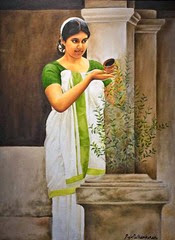
Mundum neriyathum (set-mundu or mundu-set) is the traditional clothing of women in Kerala, South India. It is the oldest remnant of the ancient form of the saree which covered only the lower part of the body. In the mundum neriyathum, the most basic traditional piece is the mundu or lower garment which is the ancient form of the saree denoted in Malayalam as 'Thuni' (meaning cloth), while the neriyathu forms the upper garment the mundu.The mundum neryathum consists of two pieces of cloth, and could be worn in either the traditional style with the neriyathu tucked inside the blouse, or in the modern style with the neriyathu worn over the left shoulder

Origins
The mundum-neryathum is the extant form of the ancient saree referred to as "Sattika" in Buddhist and Jain literature.The mundu is the surviving form of lower garment of the ancient clothing referred to as antariya worn in a special way (lower garment).The neriyath is the modern adaptation of a thin scarf worn from the right shoulder to the left shoulder referred to in ancient Buddhist-Jain texts as the uttariya.

It is one of the remains of the pre-Hindu Buddhist-Jain culture that once flourished in Kerala and other parts of South India. The narrow borders along the mundum neriyathum drape are probably an adaptation of the Graeco-Roman costume called "palmyrene". In the palmyrene costume, the piece of cloth known as "palla" was a long piece of unstitched cloth with a coloured border and was worn over a long garment, pinned at the left shoulder.The tradition of coloured borders along the present day mundum neryathum or pallu might have been influenced by the Graeco-Roman "Palla" or Palmyrene. The Malabar coast had flourishing overseas trade with the Mediterranean world since antiquity.However, the pallu in its modern form was not in common use until very recently. In fact, as late as the 1970s, some populations in Kerala still did not use the pallu as the upper garment.

Basic drape

The mundum neryathum is traditionally white or cream in colour and consists of two pieces of cloth, which have a coloured strip at the border known as kara. The piece of cloth that drapes the lower garment is called the mundu. It is worn below the navel and around the hips, similar to the mundu worn by men in Kerala. The piece of cloth that is worn as the upper garment is called the neriyathu. One end of the neriyathu is tucked inside the pavadai or petticoat and the remaining long end is worn across the front torso. The neriyathu is worn over a blouse that reaches quite above the breast bone. It is worn diagonally from along the right hips to the left shoulder and across the midriff, partly baring it. The remaining loose end of the neriyathu is left hanging from the left shoulder, resembling the ‘nivi saree’. Today the ‘nivi drape’, is the most common form of the saree. A mundum neriyathum is starched before being draped and is worn over a blouse that matches the colour of the border or kara
image curtsy kasavikada-tvpm

Ornamental and festive use

The mundum neryathum is worn as everyday costume and also as distinct costume on festive occasions, in which case the Kara is ornamental in couture. During the Keralite festival of onam, women of all ages wear the mundum neryathum and take part in folk dance meant only for women called kaikottikalli. The mundum neryathum for festive occasion has golden coloured borders or a broad zari border known as Kasavu, lending the costume another name of "Kasavu Saree" . The colour for the blouse of the mundum neryathum for this occasion is determined by the age and marital status of the woman. Young unmarried girls wear green coloured blouse, while married middle aged mothers wear red blouses.

he kasavu or the golden border is either pure golden layer, copper coated or artificial. The fabric of mundu-sari is cotton and is always woven by hand. Kara or simple line designs adorn the bottom of these saris, while at times small peacock or temple designs embellish the pallu. The mundum neriyathum is also known as Set mundu, Kasavu mundu, Mundu-sari, set-sari, or set veshti. The veshti is another version of the saree which consists of a small upper clothing resembling a blouse-like garment worn without the pallu along with a mundu as lower garment.

Set-saree

The set-sari is worn as a garment that consists of a single piece of cloth. Otherwise, the set saree closely resembles the mundum neriyathum and is often worn by Malayali women as a quasi mundum neriyathum.

When set-mundu (mundum neriyathum) is worn, the kasavu border will be clearly visible on left side (the left thigh) of the person who wears it. This kasavu border is that of the neriyathu which is worn on the top of the mundu.

Cultural symbolism

The mundum neriyathum is the cultural costume of women of the Malayali community and often referred as Kerala saree. The grace and appeal of the golden borders contrasting with the otherwise plain white mundum neryathum of Keralite women has come to symbolize Malayali women. Both the traditional and modern styles of the mundum neryathum are depicted in the paintings of the Indian painter Raja Ravi Verma. The mundum neriyathum was modified in several paintings depicting Shakuntala from the mahabharatha to a style of draping now popularly known as the 'nivi saree' or 'national drape'. In one of his paintings the Indian subcontinent was shown as a mother wearing a flowing nivi saree


Mekhela Chador - Assameese Dress(51)

7/03/2014 Add Comment

Mekhela chador


Mekhela chador  is the traditional Assamese dress worn by women. It is worn by women of all ages.

Draping
There are two main pieces of cloth that are draped around the body. The bottom portion, draped from the waist downwards is called the mekhela t is in the form of a sarong—very wide cylinder of cloth—that is folded into pleats to fit around the waist and tucked in. The folds are to the right, as opposed to the pleats in the Nivi style of the saree, which are folded to the left. Strings are never used to tie the mekhela around the waist, though an underskirt with a string is often used.

The top portion of the two-piece dress, called the chador, is a long length of cloth that has one end tucked into the upper portion of the Mekhela and the rest draped over and around the rest of the body. Unlike the Pavadai Dhavani, the chador is tucked in triangular folds. A fitted blouse is often worn to cover the breasts, though in the past another garment called a riha used to be worn. A riha is still worn as part of the Assamese bridal trousseau, but over a fitted blouse.


Unlike the Pavadai Dhavani, which is traditionally worn by women between puberty and marriage, the mekhela-chador is worn by women of all ages.

Patterns

Ornamental designs on the mekhela-chadors are traditionally woven, never printed. Sometimes a woven pattern, called the pari is stitched along the sides of a chador, or along the bottom of a mekhela.

Traditional Mekhela Chadors are made from the following materials:

  • Cotton
  • Muga
  • Pat
  • Some modern low-budget sets are also made with varying blends of cotton and Muga or Pat silk with synthetic materials.


Indian Wedding Clothes - Dress(40)

6/26/2014 Add Comment

40- Indian wedding clothes

Indian wedding clothes is the set of clothes worn by the bride, bridegroom and other relatives attending the wedding during a marriage.

Clothing culture

In India, the wedding rituals and clothes make the wedding as much as that of the bride and her groom. Both look their splendid best in gorgeous clothes. Not just the couple, but the guests attending the family and the relatives are often seen dressed up to the teeth. The 

bride is dressed up in auspicious colors, whereas the bridegroom is dressed to exude a regale aura. The bridesmaids and best men are often dressed in par with the bride and the groom. But they are toned down a bit because the day belongs to the couple. All the folks attending the marriage are decked up with gold jewelry including the bride and sometimes the groom. The ladies are additionally adorned with henna patterns all over their palms, hands, forearms, legs and feet. Sometimes henna patterns are replaced with alta designs which are short lived and easily removable.

Indian weddings generally tend to continue for several days and new attire is worn each day. All these dresses and the color symbolize the meaning of marriage and the period that follows it. Indian wedding is one that gives more importance to details like different rituals and the various attires one wears to attend them.

Hindu wedding

Indian Hindu weddings continue for several days. India is a country that defines diversity and this is visible even in the wedding and its different styles. The ceremonies, the rituals, the formalities are all different between each region and culture. Unlike the Christians, Hindus wedding ceremony does not resemble the western marriages and are quite elaborate. In the North,Starting from the Tilak ceremony, each function has significance in the marriage. Tilak, Sangeet, Haldi, Baraat and the Shaadi, all necessitate the Bride and the bridegroom to wear new attire at each occasion.All these above ceremonies are known by different names in the other parts,e.g.:Simant puja in the west,or Mangalasnanam in the south and so on.But have got the same significance all over.


Bridegroom's clothes

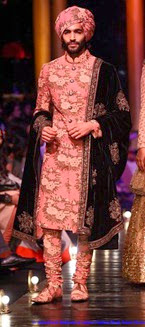
Many communities of South,West and Eastern India still adhere to the traditional costumes,i.e. Dhoti,or sometimes Lungi,and Mundu by some communities of the South.Kurta or a shirt may be worn or sometimes just a Angavastram may be used to cover the chest. On the other hand in the Northern parts, bridegroom usually wears a Sherwani, Jodhpuri suit or a western suit. The groom’s face is covered with a veiled with a curtain of flowers which is called Sehra in the North,which is not the custom elsewhere. It is also customary to wear a Taqiyah all through the ceremony in Muslim marriages.


Many prefer to wear a Kurta.Kurta can be worn with Salwar,or Dhoti.

A dazzling series of ensemble for bridegrooms include majestic sherwani, blended Indo-western suit and ethnic Jodhpuri suit. The exquisite shirts, coats and jackets are designed with extra care and touch to bring out the magnanimity out of the bridegroom on the marriage day. 

Precious embellishments are studded into the collars and the cuffs of the bridegroom’s dress. Available both in simple cottons and splendid, royal raw silk, these Kurta Pyjamas are a preferred mostly by the bridegrooms.

Bride's clothes

The bride wears a saree or a lehenga according to the region. Red is considered to be the most auspicious color in among Hindus. While the saree is preferred as the bridal dress in South India, West, East India, most brides of other parts of India prefer Lehenga, Gagra Choli and Odni as bridal dress.


Christian wedding

Christian marriage in India is mostly an adaption of western wedding ceremonies. Here the bridegroom wears a western suit or tuxedo. The Bride usually opts for a silk saree or a western gown.

Bridesmaid and family

While during a marriage function, the bride and the bridegroom take the centre stage, the bridesmaid takes over everyone off-stage. Dainty Lehenga Cholis in bright colors, long cholis for the conservative, authentic designer lehengas and readymade lehenga cholis are usually 

selected by the bridesmaid as wedding ensemble. Sometimes the bridesmaids wear sari rich in silk and embroidery. Delicately put together with alluring fabrics of bright and cheery colours, these Lehengas bring out the playful nature of the bridesmaid.


Gharara Dress(32)

6/17/2014 Add Comment

32. Gharara

A gharara  is a traditional Lucknowi(India) garment, traditionally worn by Muslim women of Hindi Belt. 

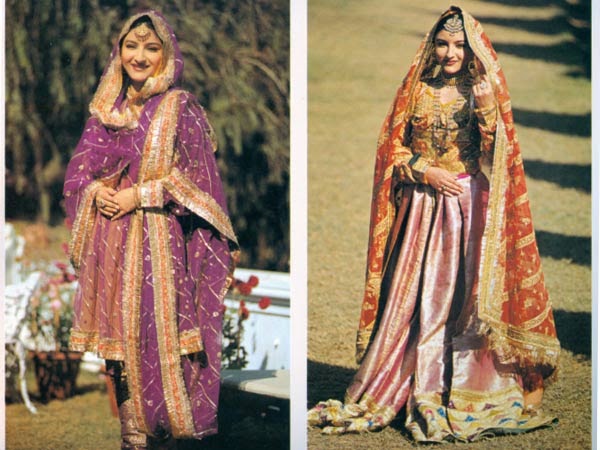
It consists of a kurti (a short, mid-thigh length tunic), a dupatta (veil), and most importantly, a pair of wide-legged pants, ruched at the knee so they flare out dramatically. 

The knee area, called the goat in Urdu, is often elaborately embroidered in zari and zardozi work. Each leg of a traditional gharara is made from over 12 metres of fabric, often silk brocade. look a like Farshi Pajama

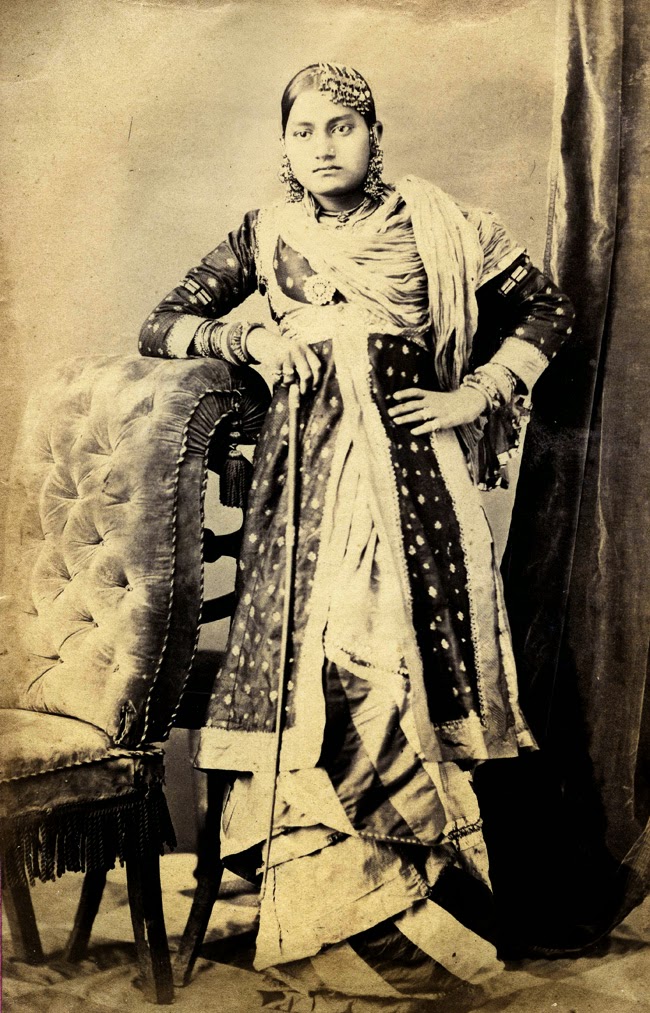
Ghararas originated in Awadh region of Uttar Pradesh during the era of the Nawabs. During the late 19th and early 20th centuries, it was considered everyday attire among Muslim women of Hindi Belt particularly among women of Nawab and Taluqedars families. They were representative of the status of the person wearing them.

Although they are not worn as everyday garment today as they once were, they still remain as popular wedding attire among Muslim women of Hindi Belt and also among Urdu speaking immigrates in Pakistan & Bangladesh. Ghararas were also made popular in Pakistan & Bangladesh, in the 1950s and 60s with popular public figures like Fatima Jinnah and Begum Rana Liaquat Ali Khan wearing them.

Farshi Pajama Dress(28)

6/14/2014 Add Comment

Farshi Pajama

Farshi Pajama (Also Paijama)is a woman's dress that was worn between late 17th and early 20th centuries in Muslim courts of Oudh by royalty and ladies from privileged classes of Uttar Pradesh (formerly United Provinces of Agra and Oudh in North India.) Modeled after the flowing gowns worn by British noblewomen, 

The complete outfit consists of three basic parts - The Kurta or a long shirt, the dupatta or the long stole which is an essential piece of cloth in traditional Indian wear covering the head and bossom, and the third and most important, the farshi pajama, which is a flowing two legged skirt held by drawstrings. It falls straight to the ankles from where it starts flaring flowing copiously onto the floor. The farshi pajama, in this era is often called Farshi Gharara, a term not used before mid 20th century and is considered a distortion. The confusion is said to be because of the Farshi Pajama's similarity with the Gharara.


Farshi means 'associated with the 'farsh' or floor' (for example farshi baithak which is associated with sitting on the floor). When combined with the word Pajama, the term evolves to mean a bottom-wear garment that falls generously on the floor, and trails as one walks, however in reality, during walking, an expert wearer holds the dress by carefully pulling up and folding the excess flaring trail and holding it in her left hand keeping the right one free which is when the dress does not trail. The large quantity (historically, 9-15 yards) of expensive cloth, embroidered using the art of goldwork (embroidery) and sterling silver wire threads (Karchob/Zari/Zardozi etc.), used to make a farshi gharara mainly reflects the grandeur and extravagance of the nobles and rulers of that era.

Modified, smaller-length versions are still, but rarely, worn by women in weddings in India and Pakistan to recreate bygone elegance.


Movies such as Umrao Jaan (1981) and Shatranj Ke Khilari (1977) that depict Muslim culture of 19th century Lucknow show noblewomen and royal courtesans wearing farshi pajamas.

Classification of Sarees

5/01/2014 Add Comment

Sarees - Sub categorise

A sari or shari, is an Indian female garment that consists of drape varying from two to nine yards in length and two to four feet in breadth that is typically wrapped around the waist, with one end draped over the shoulder, baring the midriff
The sari is usually worn over a petticoat (called lahaṅgā or lehenga in the north; langa in Kannada, pavada, or pavadai Tamil, langa in Telugu; chaniyo, parkar, ghaghra, or ghagaro in the west; and shaya in eastern India), with a fitted upper garment commonly called a blouse or a choli or ravika. The blouse has short sleeves and is usually cropped at the midriff. The sari is associated with grace and is widely regarded as a symbol of Indian culture and Bangladeshi culture

1. Arani Sari 
Banarasi saris
2. Baluchar Sari
3. Banarasi saris
4. Bhagalpur Sari
5. Chanderi sari
6. choli
7. Dhakai
8. Dhaniakhali Saree
9. Gadwal sari
10. Gagra choli or Ghagra choli,
11. Gollabhama sari or Siddipet Gollabhama
12. Half sari function
13. Ilkal saree
14. Jamdani
15. Kanchipuram sari or Kanjivaram sari
16. Kasta sari
17. Khandua (Maniabandi or Kataki)
18. Kosa silk
19. Kota doria or Kota Sari
20. Kovai Cora cotton
21. Kuthampully Saree
22. Langa Voni
Designer Half Sarees
23. Lehenga style Saree
24. Lugade
25. Molakalmuru Sari
26. Mundum neriyathum
27. Paithani
29. Pasapali Sari
30. Patola saris
31. Pochampally Saree or Pochampalli Ikat
32. Puttapaka Sari
33. Salem Silk known as Salem Venapttu
34. Sambalpuri Saree
35. Set-sari
36. Shalu
37. Sonepuri Sari or Bomkai Sari
38. Tant saree
39. Telia Rumal
40. Uppada Saree
41. Venkatagiri Sari
42. wedding sari

Traditional Men's Clothing - India

4/23/2014 Add Comment

Traditional Men's Clothing 

For men, traditional clothes are the Sherwani, Lungi, Kurta and Dhoti or Pajama. Also, most recently Pant and shirt have also been accepted as traditional Indian dress by the Government of India

Dhoti 

A dhoti is from four to six feet long white or colour strip of cotton. This traditional attire is mainly worn by men in villages. It is held in place by a style of wrapping and sometimes with the help of a belt, ornamental and embroidered or a flat and simple one, around the waist.
In south India men also wear long, white sarong like sheets of cloth known as Mundu. Its called dhotar in Marathi. In north and central Indian languages like Hindi, and Oriya, these are called Mundu, while in Telugu they are called Pancha, in Tamil they are called veshti and in Kannada it is called Panche/Lungi. Over the dhoti, men wear shirts.


Panche or Lungi

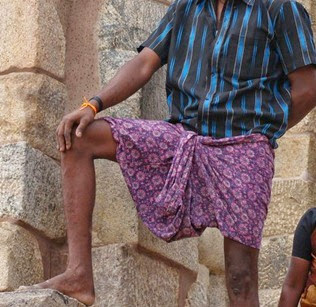
A Lungi, also known as sarong, is a traditional garment of India. A Mundu is a lungi except that, it is always white. It is either tucked in, over the waist, up to knee-length or is allowed to lie over and reach up to the ankle. It is usually tucked in when the person is working, in fields or workshops, and left open usually as a mark of respect, in worship places or when the person is around dignitaries.
Lungis, generally, are of two types: the open lungi and the stitched lungi. The open lungi is a plain sheet of cotton or silk, whereas, the stitched one has both of its open ends stitched together to form a tube like structure.
Though mostly worn by men, elderly women also prefer lungi to other garments owing to its good aeration. It is mostly popular in south India, though people of Bangladesh, Brunei, Indonesia, Malaysia, Myanmar and Somalia also can be seen in lungis, because of the heat and humidity, which create an unpleasant climate for trousers, though trousers have now become common outside the house.

 Sherwani 

A Sherwani is a long coat / jacket that usually sports exposed buttons through the length of the placket. The length is usually just below the knees and the jacket ends around high on the calf. The jacket has a Nehru collar, which is a collar that stands up. The Sherwani is worn with tight fitting pants or trousers called churidars. Churidars are trousers that are loose around the hips and thighs, but are tight and gathered around the ankle. Sherwani is usually worn during the wedding ceremonies by the groom and is usually cream, light ivory, or gold coloured. It may be embroidered with gold or silver. A scarf called a dupatta is sometimes added to the sherwani.
Headgear 

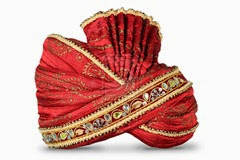
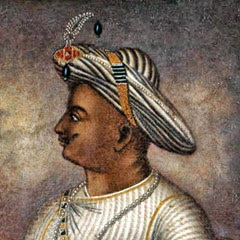
The Indian turban or the pagri is worn in many regions in the country, incorporating various styles and designs depending on the place. Other types of headgear such as the Taqiyah and Gandhi cap are worn by different communities within the country to signify a common ideology or interest.


Dastar 

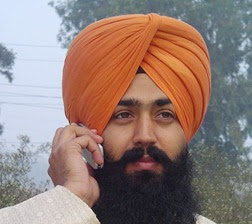
The Dastar, also known as pagri, is a turban worn by the Sikh community of India. Is a symbol of faith representing values such as valour, honour and spirituality among others. It is worn to protect the Sikh's long, uncut hair, the Kesh which is one of the Five Ks of Sikhism. Over the years, the dastar has evolved into different styles pertaining to the various sects of Sikhism such as the Nihang and the Namdhari.


Pheta

Pheta is the Marathi name for turbans worn in the state of Maharashtra. Its usually worn during traditional ceremonies and occasions. It was a mandatory part of clothing in the past and have evolved into various styles in different regions. The main types are the Puneri Pagadi, Kolhapuri and Mawali pheta

 Mysore Peta 

Originally worn by the kings of Mysore during formal meeting in durbar and in ceremonial processions during festivals, and meeting with foreign dignitaries, the Mysore peta has come to signify the cultural tradition of the Mysore and Kodagu district. The Mysore University replaced the conventional mortarboard used in graduation ceremonies with the traditional peta


Rajasthani pagari

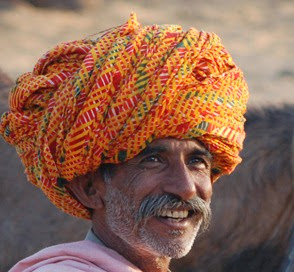
Turbans in Rajasthan are called pagari. They are distinctive in style and colour, and indicate the caste, social class and region of the wearer. In the hot and dry regions, turbans are large and loose. The paggar is traditional in Mewar while the safa is to Marwar. The colour of the pagaris have special importance and so does the pagari itself. In the past, saffron stood for valour and chivalry. A white turban stood for mourning. The exchange of a turban meant undying friendship


 Gandhi cap

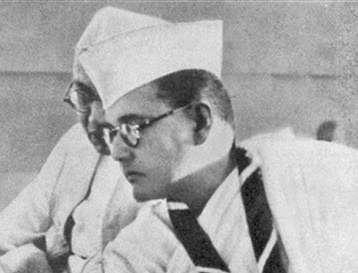
The Gandhi cap, a white coloured cap made of khadi was popularised by Mahatma Gandhi during the Indian independence movement. The practice of wearing a Gandhi cap was carried on even after independence and became a symbolic tradition for politicians and social activists. The cap has been worn throughout history in many states such as Gujarat, Maharashtra, Uttar Pradesh and West Bengal and is still worn by many people without political significance. In 2013, the cap regained its political symbolism through the Aam Aadmi Party, which flaunted Gandhi caps with "I am a Common Man" written over it. This was partly influenced by the "I Am Anna" caps used during Anna Hazare's Lokpal movement. During the Delhi Legislative Assembly election, 2013, these caps led to a scuffle between Aam Aadmi Party and Congress workers, based on the reasoning that Gandhi caps were being used for political benefits.

Woman"s clothing - India

4/23/2014 Add Comment

History of Woman"s clothing

In India, woman's clothing varies widely and is closely associated with the local culture, religion and climate.
Traditional Indian clothing for women in the north and east are saris or ghagra cholis and (lehengas) while many south Indian women traditionally wear sari and children wear pattu langa. Saris made out of silk are considered the most elegant. Mumbai, formerly known as Bombay, is one of India's fashion capitals.In many rural parts of India, traditional clothing is worn. Women wear a sari, a long sheet of colourful cloth, draped over a simple or fancy blouse. Little girls wear a pavada. Both are often patterned. Bindi is a part of women's make-up. Indo-western clothing is the fusion of Western and Subcontinental fashion. Churidar, dupatta, Khara Dupatta, gamchha, kurta, mundum neriyathum, sherwani are among other clothes.
The traditional style of clothing in India varies with male or female distinctions. This is still followed in the rural areas, though is changing in the urban areas. Girls before puberty wear a long skirt (called langa/paawada in Andhra) and a short blouse, called a choli, above it.

 Traditional clothing

Sari

002-Shraddha_Arya_wearing_a_Sari,_traditional_Indian_attireA saree or sari is a female garment in the Indian subcontinent. A sari is a strip of unstitched cloth, ranging from four to nine meters in length, that is draped over the body in various styles. There are various traditional styles of saree: Sambalpuri Saree from East, Kanchipuram from South, Paithani from West and Banarasi from North among others. The most common style is for the sari to be wrapped around the waist, with one end then draped over the shoulder baring the midriff. The sari is usually worn over a petticoat. Blouse may be "backless" or of a halter neck style. These are usually more dressy with a lot of embellishments such as mirrors or embroidery and may be worn on special occasions. Women in the armed forces, when wearing a sari uniform, don a half-sleeve shirt tucked in at the waist. Teenage girls wear half-sarees, a three piece set consisting of a langa, a choli and a stole wrapped over it like a saree. Women usually wear full sarees.
Saris are usually known with different names in different places. In Kerala, white saris with golden border, are known as kavanis and are worn on special occasions. A simple white sari, worn as a daily wear, is called a mundu. Saris are called pudavai in Tamil Nadu. In Karnataka, saris are called kupsas

Ghagra Choli (lehenga choli) 

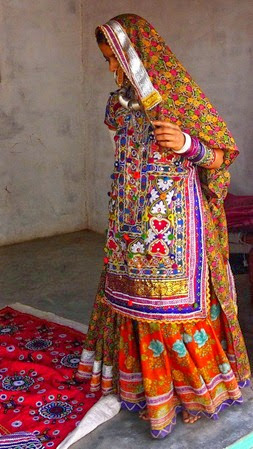
003-Ghagra_CholiA Ghagra Choli or a Lehenga Choli is the traditional clothing of women in Rajasthan and Gujarat. Punjabis also wear them and they are used in some of their folk dances. It is a combination of lehenga, a tight choli and an odhani. A lehenga is a form of a long skirt which is pleated. It is usually embroidered or has a thick border at the bottom. A choli is a blouse shell garment, which is cut to fit to the body and has short sleeves and a low neck.
Different styles of ghagra cholis are worn by the women, ranging from a simple cotton lehenga choli as a daily wear, a traditional ghagra with mirrors embellished usually worn during navratri for the garba dance or a fully embroidered lehenga worn during marriage ceremonies by the bride.
Popular among unmarried women other than shalwar kameez are Gagra choli and Langa voni


004-Sheeba_unveil_her_latest_summer_couture_collection_(14)Salwar Kameez

Salwar is a generic description of the lower garment incorporating the Sindhi suthan, Dogri pajamma and the Kashmiri suthan. 
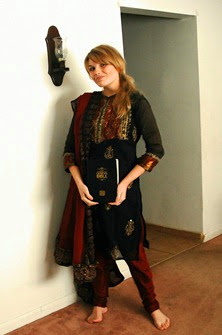
The Salwar kameez is the traditional wear of women in Punjab, Haryana and Himachal Pradesh. The suthan, similar to the salwar is common in Sindh and Kashmir. The salwar kameez has become the most popular dress for females. It consists of loose trousers (the salwar) narrow at the ankles, topped by a tunic top (the kameez). It is named as "Punjabi suit" or simply "shalwar" in the north and "churidaar" in Southern India. Women generally wear a dupatta or odani (Veil) with salwar kameez to cover their head and shoulders. It is always worn with a scarf called a dupatta, which is used to cover the head and drawn over the bosom. The material for the dupatta usually depends upon that of the suit, and is generally of cotton, georgette, silk, chiffon among others. This dress is worn by almost every teenage girl in lieu of western clothes. The salwar kameez is most common in the northwestern part of India. Many actresses wear the salwar kameez in Bollywood movies.

005-Girl_in_salwar_kameez 

Churidaar Kurta 

Churidaar is a version of salwar, which is loose up to knees and then fits the calf below. A salwar is a baggy pyjama with pleats which gets narrow at the ankles whereas churidaar fits below the knees with horizontal gathers near the ankles. Usually a long kurta, which goes below the knees, is worn with the churidaar.


Pattu Pavadai/Reshme Langa

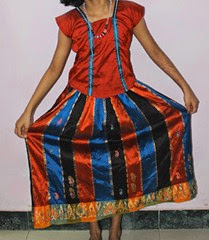
Pattu Pavadai or Langa davani is a traditional dress in south India and Rajasthan, usually worn by teenage and small girls. The pavada is a cone-shaped garment, usually of silk, that hangs down from the waist to the toes. It normally has a golden border at the bottom.
Girls in south India often wear pattu pavadai or Langa davani during traditional functions. Girls in Rajasthan wears this dress before marriage (and after marriage with sight modification in certain section of society. )


Langa - Voni/Dhavani 

This is a type of South Indian dress mainly worn in Andhra Pradesh and Tamil Nadu also in some parts of Kerala and Karnataka. This dress is a 3- piece apparel where Langa or Lehanga is the cone shaped long flowing skirt


 Mundum Neriyathum

Mundum Neriyathum is the oldest remnant of the ancient form of the saree which covered only the lower part of the body, a traditional dress of women in Kerala, South India. The basic traditional piece is the mundu or lower garment which is the ancient form of the saree denoted in Malayalam as 'Thuni' (meaning cloth), while the neriyathu forms the upper garment the mundu


  Mekhela Sador

Mekhela Sador (Assamese) is the traditional Assamese dress worn by women. It is worn by women of all ages.
There are three main pieces of cloth that are draped around the body.
The bottom portion, draped from the waist downwards is called the Mekhela. It is in the form of a sarong—very wide cylinder of cloth—that is folded into pleats to fit around the waist and tucked in. The folds are to the right, as opposed to the pleats in the Nivi style of the saree, which are folded to the left. Strings are never used to tie the mekhela around the waist, though an underskirt with a string is often used.
The top portion of the three-piece dress, called the Sador, is a long length of cloth that has one end tucked into the upper portion of the Mekhela and the rest draped over and around the rest of the body. The Sador is tucked in triangular folds. A fitted blouse is worn to cover the breasts.
The third piece is called a Riha, which is worn under the Sador. It is narrow in width. This traditional dress of the Assamese women are very famous for their exclusive patterns on the body and the border. Women wear them during important religious and ceremonious occasions of marriage. Riha is worn exactly like a Sador and is used as Orni.